

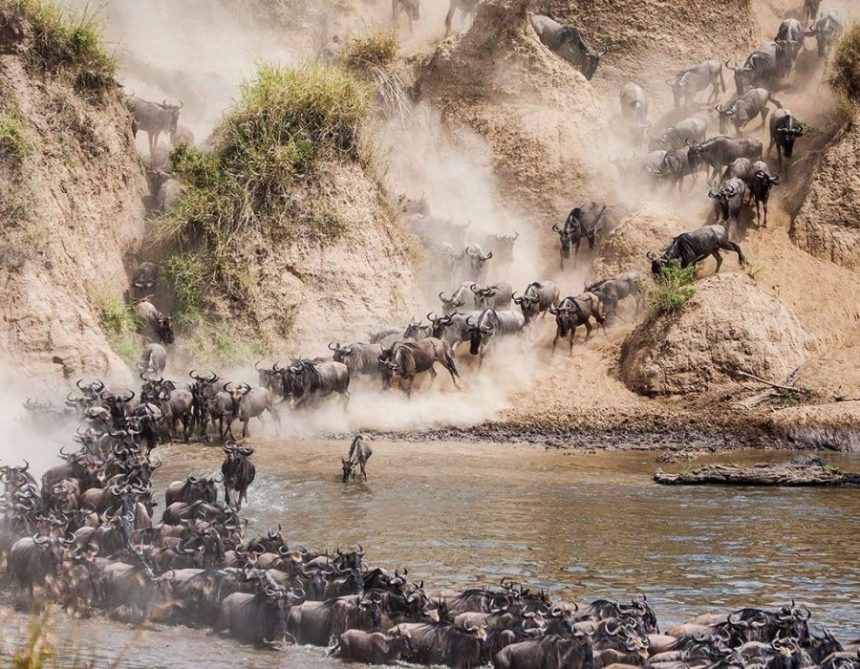
A newly opened luxury safari lodge — Ritz‑Carlton Safari Camp Maasai Mara — has triggered controversy and concern from conservationists and local communities. Critics argue that the lodge may block critical migration corridors used annually by thousands of wildebeest, zebras, and other wildlife traveling between Tanzania’s Serengeti National Park and Maasai Mara National Reserve. Reuters+2Kenyans+2
On November 27, 2025, the Kenya Wildlife Service (KWS) formally dismissed these claims. According to KWS, monitoring data indicates that migrating herds use the entire 68-kilometre width of the Kenya–Tanzania border within the reserve — not a single fixed corridor. KWS affirmed that the lodge lies in a designated low-use tourism zone, as per the latest reserve management plan (2023–2032), and does not interfere with established migration routes.
In addition, the National Environment Management Authority (NEMA) has backed KWS’s position — stating that environmental assessments and GPS-referenced ecological studies show no evidence that the lodge obstructs any wildlife corridors in the Maasai Mara ecosystem.
Why The Debate Matters — Not Just for Wildlife, But for Kenya’s Reputation & Tourism
🌍 Wildlife Conservation & Ecosystem Integrity
The migration of wildebeest, zebra and other animals between Serengeti and Maasai Mara is globally acclaimed and a vital ecological process — ensuring species’ genetic diversity and ecosystem balance. Any disruption could have long-term impacts on wildlife survival and biodiversity. Critics fear that luxury infrastructure might threaten this delicate balance.
💰 Tourism Industry & Economic Stakes
Maasai Mara is one of Kenya’s largest tourism draws — wildlife safaris and the annual migration attract tourists from across the world, bringing revenue, jobs, and supporting local economies. A lodge like Ritz-Carlton can bring high-end tourism dollars. But if perceived as harmful to wildlife, such developments risk tainting Kenya’s conservation image.
📰 Public Perception & Trust in Institutions
The controversy highlights the tension between development and conservation. Public trust depends on transparency of environmental assessments, clarity of lodge placement, and credible monitoring. With authorities (KWS + NEMA) publicly clearing the lodge, it’s important that conclusions remain backed by data — to maintain credibility among locals, tourists, and conservation stakeholders.
What This Means for Kenya, Conservationists, and Tourists
-
For conservationists & community advocates: Continue monitoring wildlife movement, demand transparency in environmental impact assessments, and ensure community voices are heard — especially around land use and habitat protection.
-
For tourism operators and lodge developers: Responsible tourism must balance comfort for tourists with minimal disruption to natural habitats — stringent environmental standards should be enforced.
-
For tourists: If you plan to visit Maasai Mara, stay aware of ongoing debates. Choice of lodge should consider ethical and ecological impact, not just luxury.
-
For Kenya’s conservation policy: This is a test case for how the country reconciles tourism development with wildlife protection — success could set a model for future investments.