
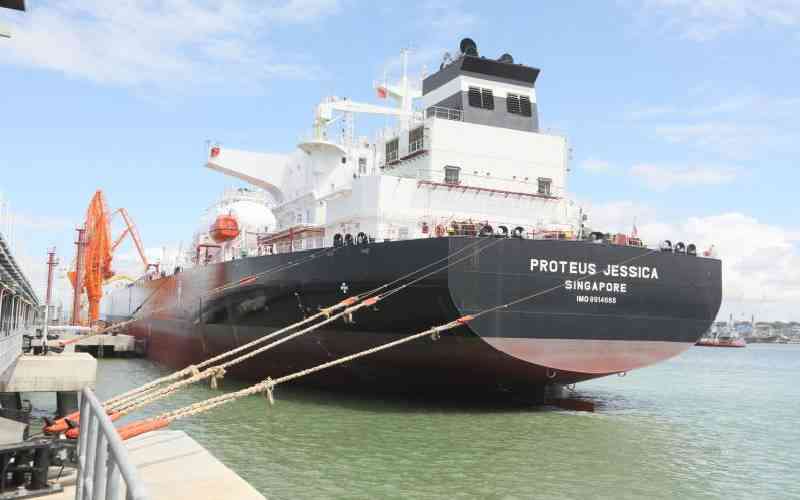
Clearing and forwarding agents at the Kenya Ports Authority’s (KPA) Mombasa Port have suspended handling of cargo destined for South Sudan, citing a newly introduced fee per container — reportedly US $3,580 — as the cause. The agents say the charge was announced via a social-media memo with no prior consultation or formal diplomatic channel engagement, prompting immediate rejection and a halt to cargo operations. Eye Radio+1
This stoppage has resulted in cargo for South Sudan being stuck at the port, creating a backlog that threatens supply chains and trade flow between Kenya and its land-locked neighbour. Eye Radio+1
⚠️ What the Dispute Means for Businesses & Trade
-
Trade Disruption: Goods — ranging from essentials to commercial supplies — destined for South Sudan may be delayed indefinitely, affecting traders, retailers, and end customers in the interior.
-
Increased Risk for Importers/Exporters: The abrupt fee and suspension of operations create uncertainty, undermining trust in logistical predictability and increasing risk for businesses dealing in cross-border trade.
-
Economic Ripple Effect: As cargo piles up, shipping costs may rise. Delays and uncertainty could discourage future trade, impacting revenues for port operators, shipping agents, and related stakeholders.
-
Pressure on Regional Supply Chains: Beyond South Sudan, companies relying on smooth transit via Mombasa may face delays, potentially affecting inventory, production schedules, and delivery timelines across East Africa.
🧭 What Comes Next — Key Considerations
For the situation to resolve, stakeholders — including port authorities, freight agents, and government officials — need to:
-
Clarify and officially communicate any new fees or charges — ideally with stakeholder consultation.
-
Ensure transparent trade regulation and avoid informal memos as official directives.
-
Expedite negotiations to clear the backlog and restore trade flow between Mombasa and South Sudan.
-
Monitor impacts on businesses and consider support measures for affected traders and consumers.