
When the Collection Plate Becomes a Prize
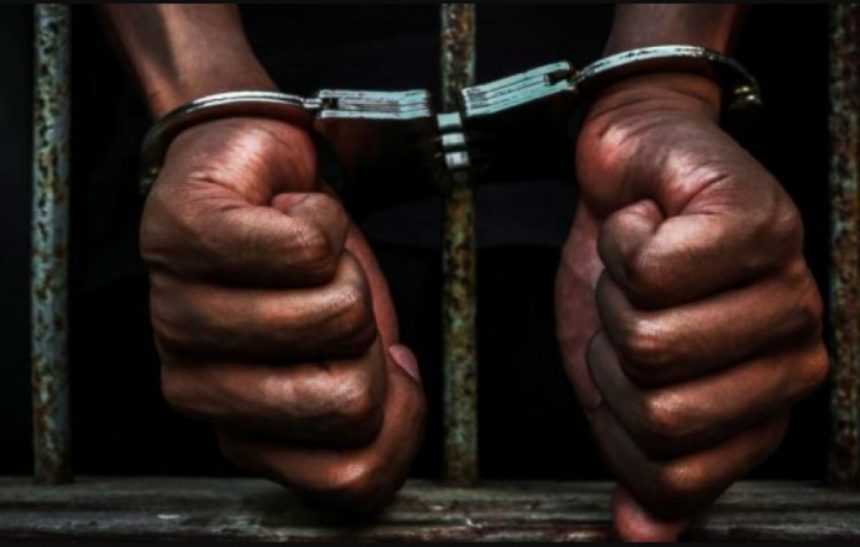
A church should be a sanctuary—a place of refuge, community, and spiritual guidance. Yet, the images from the PCEA church in Kariobangi North tell a different story: shattered windows, congregants in conflict, and seven individuals led away in handcuffs after a violent Sunday morning clash. This scene, while shocking, is not an anomaly in modern Kenya. It is a symptom of a deeper, systemic malaise where churches have become corporate entities, and leadership is less a divine calling and more a fiercely contested executive position. The Kariobangi incident forces us to ask an uncomfortable question: has the business of running a church in Kenya become fundamentally incompatible with its spiritual mission?
At the core of these escalating conflicts is a potent and often toxic trinity: power, property, and money. What begins as a theological or leadership disagreement quickly morphs into a high-stakes battle for control of physical and financial assets. A modest congregation that acquires prime land, builds a multi-million shilling sanctuary, and attracts a large, loyal following becomes a significant enterprise. The pulpit is no longer just a place to preach; it is a seat of administrative authority over budgets, development projects, and real estate. In this environment, succession is not a peaceful transition but a corporate takeover bid, with rival “boards of directors” (church committees) and “shareholders” (congregants) taking sides.
The Recurring Script of Scandal
The script for these church wars is becoming drearily familiar, and the Kariobangi PCEA case follows it to the letter. It typically unfolds in three acts:
Act 1: The Vacuum. A founding or long-serving pastor passes away, retires, or is otherwise removed. This creates a power vacuum. Unlike established denominations with clear apostolic succession, many Kenyan churches—including splinter groups within mainstream ones—rely on charismatic founding figures. Without a clear, written, and legally sound succession plan, the stage is set for conflict.
Act 2: The Schism. Factions emerge. One group, often led by a senior elder or a family member of the former leader, claims moral or traditional right. Another, perhaps backed by different trustees or a segment of the congregation seeking “fresh direction,” presents an alternative. Each side secures a lawyer, not a theologian, as their chief counsel. They obtain competing court injunctions, each claiming to be the legitimate leadership barred from the premises by the other.
Act 3: The Confrontation. This is where the spiritual battle turns physical. Determined to assert control, one faction attempts to forcibly access the church to hold a service, change the locks, or seize documents—exactly what allegedly triggered the chaos in Kariobangi. The police, as seen, are then called not to mediate a prayer meeting but to quell a public disturbance. The resulting arrests and court cases, like the one at Makadara Law Courts, criminalize what is ultimately a civil and ecclesiastical dispute.
The Cost of Carnal Conflict
The fallout from these battles is immense and multi-layered.
Spiritual Carnage: The greatest damage is to the faith of the congregation. New believers are scandalized. Long-time members become disillusioned and drift away. The public testimony of the church is reduced to headlines of violence and greed, driving away the very people it seeks to save.
Financial Drain: Church resources meant for charity, outreach, and development are funneled into endless legal fees. Millions of shillings that could build schools or feed the poor are paid to lawyers as the case drags on for years in the overburdened court system.
Community Distress: Local communities that rely on the church for social cohesion, bursaries, and support are left in limbo. Projects stall, and the church’s role as a community pillar crumbles.
A Path to Peace: Beyond Injunctions and Arrests
Solving this crisis requires moving beyond the courtroom. While the law must address criminal acts like violence and trespass, it is ill-equipped to heal a divided congregation. Solutions must be proactive and structural:
Institutional Governance: Mainstream churches like the PCEA must strengthen and enforce clear, transparent governance structures for all parishes. This includes robust trustee boards, audited financial statements, and unambiguous succession protocols that are legally binding.
Preaching Accountability: Bishops and overseeing bodies must have the courage to intervene early in disputes, not when blood has been spilled. This may mean suspending all contested parties and installing interim leadership to cool tensions and guide mediation.
Professional Mediation: The church should embrace professional mediation and arbitration services for internal disputes. Let retired judges or respected elders trained in conflict resolution handle these matters before they ever reach the stage of obtaining a police abstract.
A Return to First Principles: Ultimately, a spiritual problem requires a spiritual solution. It demands a collective return to the core principles of humility, service, and unity that are preached from the very pulpits being fought over. The question must be asked: “Are we building our kingdom, or are we building God’s?”
Conclusion: Reclaiming the Sanctuary
The seven individuals bailed from Makadara Courts are a symbol of a much larger captivity—the captivity of the Kenyan church to worldly conflict. The Kariobangi incident is a wake-up call. It is a stark reminder that without strong governance, transparent accountability, and a renewed commitment to spiritual over carnal priorities, the house of God can all too easily become a house of cards, collapsing under the weight of its own worldly ambitions. The path to peace is not through winning the battle, but through ending the war altogether, reclaiming the church as a true sanctuary for all.