

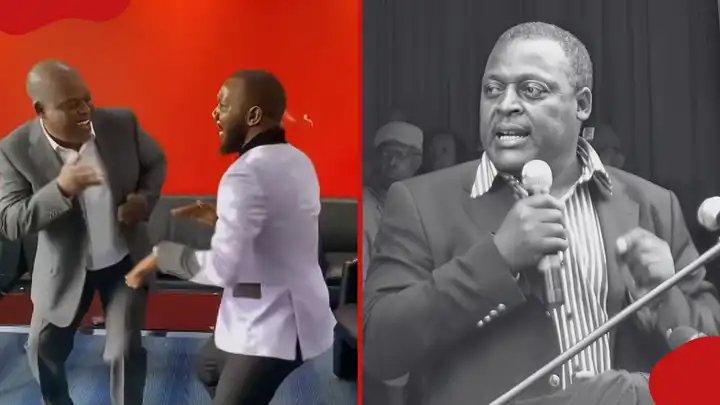
In the digital archives of Kenyan public life, few images have resonated as powerfully as the now-iconic clip of Cyrus Jirongo dancing. Captured in a burst of unfiltered joy to the rhythms of the Luhya classic “Anguka Nayo,” this moment has transcended its original context to become a cultural touchstone. Beyond its poignant resurgence after his death, the video represents a rare collision of Kenyan political identity, ethnic cultural pride, and viral humanity. This analysis goes beyond the memorial posts to explore why this specific clip captured the national imagination, what it reveals about the man and his constituency, and how such moments redefine political legacy in the social media age.
Section 1: Anatomy of a Viral Moment: Why This Clip?
Not every political dance video goes viral. This one contained the perfect alchemy of authenticity, timing, and cultural resonance.
The Authenticity Factor: This wasn’t a staged campaign rally dance. Jirongo appeared unguarded, fully immersed in the music, showcasing a genuine cultural fluency that resonated deeply. His comfort in the rhythm signaled a man connected to his roots, not just using them for votes.
The Soundtrack’s Deep Roots: “Anguka Nayo” isn’t just any pop song. It’s a Luhya benga anthem, a staple at weddings, fundraisers (harambees), and cultural festivals across Western Kenya. By dancing to it, Jirongo wasn’t just moving; he was participating in a shared cultural ritual, speaking directly to the soul of his community.
The Visual Narrative: The setting—a community event, surrounded by cheering elders and peers—framed him not as a detached Nairobi politician, but as a son of the soil in his element. This visual story was profoundly compelling.
Section 2: Cultural Currency: The Politics of Dance in Kenya
In Kenya, dance is never just dance, especially for a politician. It is a potent political language.
Dance as Connection: For politicians from Western Kenya, in particular, the ability to dance to benga or lingala is a non-negotiable test of authenticity. It is a ritual of belonging. Jirongo, through this clip, passed this test with flying colors, solidifying his bond with his base in a way speeches never could.
Beyond Ethnic Lines: While the song is distinctly Luhya, the universal language of joy and celebration in the clip allowed it to cross ethnic barriers. Kenyans nationwide could appreciate the raw humanity of the moment, fostering a rare sense of shared national sentiment around a political figure.
Contrast with Political Persona: The clip created a compelling duality. It contrasted sharply with his public image as a shrewd, sometimes controversial political strategist and legal battler. It added a necessary layer of complexity, reminding people that public figures contain multitudes.
Section 3: From Celebration to Eulogy: The Clip’s Metamorphosis After Naivasha
The tragic Naivasha crash transformed the clip’s meaning from one of celebration to one of commemoration.
The Irony of “Anguka Nayo”: The song’s title, meaning “You Will Fall With It,” took on a heartbreaking, prophetic weight. Listeners began to re-interpret the energetic tune as a metaphor for life’s unpredictable tumbles, adding a layer of profound melancholy to its once purely celebratory vibe.
A Digital Wakespace: Social media platforms became a virtual wakespace. Sharing the clip became the primary act of digital mourning, a way for people who never met him to participate in a collective celebration of his life. The comment sections turned into condolence books.
Crafting a Final Image: In the absence of control over one’s final narrative, this user-generated, joyful clip has arguably become the dominant final image of Cyrus Jirongo for the general public—a fate perhaps more meaningful than any official portrait.
Section 4: The Lasting Legacy: How Culture Outlives Controversy
This episode offers a crucial lesson on legacy in the internet era.
Humanity Over Headlines: It suggests that in the long run, a single authentic moment of shared joy can resonate more powerfully in public memory than years of political maneuvering or scandalous headlines.
The Archival Power of Citizens: The clip, likely shot on a smartphone by an attendee, demonstrates that the public now actively participates in archiving and defining the legacies of their leaders, bypassing traditional media filters.
A Blueprint for Politicians: For other public figures, the lesson is clear: authentic engagement with cultural identity is indelible. It forges a connection that withstands even the turbulence of political life and death.
Conclusion: The Rhythm That Remains
The dancing clip of Cyrus Jirongo is a cultural artifact of immense significance. It captures a truth often lost in politics: that at their core, leaders are people—people who dance, who celebrate, who belong to a community and a culture. As the investigations conclude and the political obituaries are filed, this vibrant, moving image will likely endure. It ensures that Cyrus Jirongo will be remembered not only for his battles in courtrooms and parliament but also for his rhythm on the dance floor, forever frozen in time to the soundtrack of his people. In the end, the dance floor offered a truer, more enduring kind of power.
His final lesson: Never stop dancing to the rhythm of who you are.
The Conversation Continues
Cultural Analysis: What other Kenyan politicians have had their public image defined or enhanced by a similar viral cultural moment?
Personal Reflection: Does seeing this human side of a politician make you view their professional legacy differently?