

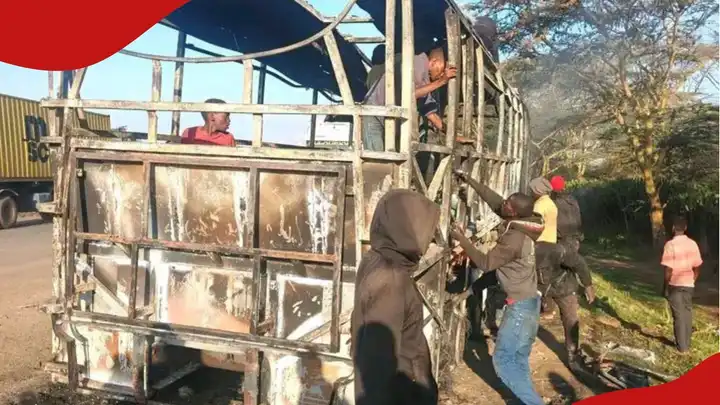
The smoldering, skeletal frame of the bus in Salgaa is not merely the aftermath of a tragic accident; it is a crime scene of systemic failure. Each twisted beam and charred seat is forensic evidence pointing to negligence, corruption, and a breathtaking disregard for human life that permeates Kenya’s transport ecosystem. While we mourn the lives lost, we must move beyond eulogy to forensic public accountability. This blog is an autopsy of a preventable disaster, examining the chain of decisions—and indecisions—that turned a stretch of tarmac into a funeral pyre.
Section 1: The Chain of Causation: Who is on the Hook?
A disaster of this scale is never caused by a single error. It is the result of a broken chain, with every link bearing responsibility.
Link 1: The Transport Company & The Driver.
Speed & Fatigue: Was the bus adhering to the legal speed limit on that notorious stretch, or was it racing to meet a schedule? Had the driver exceeded legal driving hours?
Vehicle Fitness: When was the bus’s last mandatory inspection? Were its brakes, tires, and electrical systems in working order? A faulty electrical short can be an ignition source. Was the fuel system integrity compromised?
Emergency Preparedness: Were there functioning fire extinguishers and emergency hammers? Did the crew conduct any safety briefing? The rapid, total incineration suggests a catastrophic failure of onboard safety measures.
Link 2: The Regulatory Bodies – NTSA & Traffic Police.
The Enforcement Vacuum: Where were the speed guns and patrols? Salgaa’s reputation guarantees that any consistent, visible enforcement would save lives. Their absence is not oversight; it is willful dereliction of duty.
The Roadworthy Certification Scandal: How did this bus pass its last inspection if it wasn’t fit? The system of corrupt “certification” at inspection centers puts death traps on the road daily.
The Boda Boda Licensing Farce: Was the rider licensed? Trained? Insured? The lack of a structured, regulated training and licensing regime for boda bodas makes them vulnerable road users and unpredictable hazards.
Link 3: The Infrastructure Custodian – KeNHA.
A Known Death Trap: KeNHA has data, reports, and a mountain of bodies proving Salgaa is lethal. Where are the immediate, low-cost engineering interventions? Where is the urgency for the dual carriageway? Maintaining a road known to kill is criminal negligence.
Section 2: The Survivors’ Silence: The Untold Story of Trauma & Legal Limbo
Amidst the focus on the dead, the survivors face a harrowing future.
Physical and Psychological Scars: Survivors with burns and injuries face long, painful recoveries and astronomical medical bills. The psychological trauma—of the impact, the fire, the screams—will haunt them forever, with no mental health support in sight.
The Compensation Maze: They will enter a Kafkaesque labyrinth of insurance claims. The bus company’s insurer will seek to minimize liability. The process will take years. Many will accept paltry settlements out of desperation, their justice denied.
Witness Intimidation & Fading Interest: As the news cycle moves on, their voices will be sidelined. Powerful transport Saccos have lawyers and influence. The survivor’s quest for truth and accountability is an uphill battle against a system designed to protect capital, not citizens.
Section 3: The Economic Calculus of Death
For the operators and regulators, this tragedy is often just a cost of doing business.
Profit Over Safety: The business model for many long-distance operators relies on maximum trips with minimum downtime. This incentivizes speeding, overloading, and skipping maintenance. A fine or a lawsuit is calculated as a business expense, not a moral failure.
The Corruption Tax: The bribes paid to traffic police and inspection officials are simply a “cost of operation,” cheaper than proper maintenance and ethical compliance. This corrupt ecosystem directly finances death.
The Value of a Kenyan Life: In the cold calculus of settlements and court awards, the value placed on a lost life or a debilitating injury is shockingly low. This devaluation of life makes prevention a low priority.
Section 4: A Manifesto for Change: From Autopsy to Action
We must stop conducting autopsies and start performing surgeries. Here is the non-negotiable prescription:
Immediate Prosecution, Not “Investigation”: The Director of Public Prosecutions must treat this as a case of corporate manslaughter and gross negligence. Charge the bus company owners, the fitter who passed the bus, and the NTSA/Police officers responsible for that route.
Victim-Centered Justice: Establish a special tribunal to fast-track compensation for victims and families, funded by a mandatory levy from all transport operators. Provide state-covered trauma counseling.
Transparent, Real-Time Monitoring: Fit all public service vehicles with mandatory, un-tamperable telematics (GPS tracking, speed monitors). Make this data publicly accessible in real-time. Let citizens see which buses are speeding.
Community-Led Accountability: Empower Salgaa residents and boda boda associations as official “Road Safety Watchdogs” with a direct hotline to an independent oversight body, bypassing corrupt local police.
Conclusion: We Are All Passengers on This Bus
The bus burnt in Salgaa carried more than just its passengers. It carried all of us—our collective complacency, our tolerance for corruption, and our willingness to be placated by thoughts and prayers after every massacre on our roads.
This is not a Salgaa problem. It is a Kenyan problem. The same broken links in the chain exist on the Nairobi-Mombasa highway, the Thika Road, and the Kisumu-Busia road. We are all potential victims.