
The closure of KOKO Networks wasn’t caused by a lack of customers or a faulty product. On the contrary, KOKO was too successful at a price point that was only sustainable through a complex financial instrument: Carbon Finance.
By Saturday morning, the company’s internal deliberations concluded that without a Letter of Authorisation (LoA) from the Kenyan Government, KOKO was effectively insolvent.
1. The 50% Subsidy Dilemma
KOKO’s entire value proposition was built on making clean fuel cheaper than charcoal.
The Math: A liter of bioethanol was sold to Kenyans for KSh 100, even though the actual market cost of sourcing and distributing it was closer to KSh 200.
The Gap: KOKO covered that KSh 100 difference by selling carbon credits to international buyers who wanted to “offset” their emissions by funding Kenya’s forest conservation.
The Failure: When the government blocked the authorization to sell these credits into high-value compliance markets (like international aviation schemes), the “subsidy bridge” collapsed. KOKO could no longer afford to sell fuel at a loss.
2. 700 Jobs and 3,000 Small Businesses in Limbo
The human cost of the January 31 shutdown is immense.
The Workforce: Over 700 direct employees in Nairobi and other major towns were told on Friday not to report to work on Saturday.
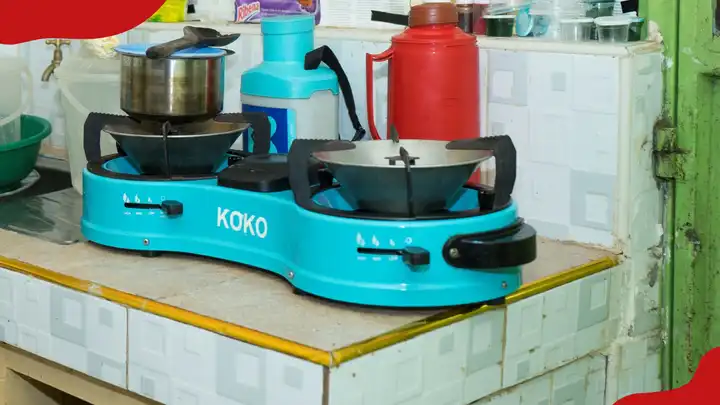
The “Duka” Network: More than 3,000 shopkeepers (KOKO Agents) who invested in the “KOKO Point” fuel ATMs now have dead hardware taking up space in their shops. For many, this was their most consistent source of foot traffic and commissions.
The World Bank Guarantee: Ironically, KOKO had a $179.6 million political risk guarantee from the World Bank (MIGA). Sources suggest KOKO may now file a massive insurance claim against the Kenyan government for “breach of contract” regarding the carbon credit approvals.
3. The “Charcoal” Relapse
The most devastating impact is environmental. In the settlements of Kibera, Mathare, and Mukuru, the smoke is already returning.
“I woke up to the text saying KOKO is closed. I have no gas, and I cannot afford a full LPG cylinder. Today, I am going back to the charcoal vendor,” — Mercy Wanjiku, KOKO Customer.
Energy experts warn that this shutdown could result in the loss of thousands of hectares of forest as 1.5 million families scramble for wood-based fuels to cook their evening meals.