
The IMF Shadow: Mbadi’s Tightrope Walk Between Global Credibility and Local Survival
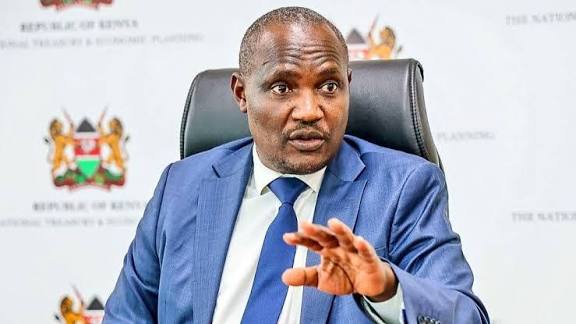
While the domestic debate on the National Infrastructure Fund (NIF) rages on, a more quiet, high-stakes negotiation is unfolding in the background. On Monday, March 2, 2026, Treasury CS John Mbadi confirmed to the Budget Committee that talks with the IMF Staff Mission are in their final, critical stage.
With the previous $3.6 billion program having expired in 2025, Kenya is now chasing a “Successor Arrangement”—a deal that isn’t just about cash, but about sending a signal to global investors that Kenya’s “house is in order.”
1. The “Successor Deal” Benchmarks
Mbadi was clear: the IMF isn’t looking for a repeat of the old program. The new mission, led by Haimanot Teferra, is focused on three uncompromising pillars:
Fiscal Credibility: This is where Zero-Based Budgeting (ZBB) comes in. The IMF wants to see that every shilling spent is tied to a specific outcome, ending the era of bloated, “automatic” budget increases.
Revenue Mobilization: While Mbadi promised “no new taxes,” the IMF is pushing for “administrative efficiency”—a polite way of saying the Kenya Revenue Authority (KRA) must squeeze more from existing tax heads, particularly from the self-employed and digital sectors.
Governance Diagnostics: Following a 2025 assessment of Kenya’s anti-graft framework, the IMF is demanding “verifiable transparency” in how the NIF and other mega-funds are managed.
2. The “Securitization” Stumbling Block
One of the most intense points of the negotiation remains the securitization of revenue streams.
The government’s plan to use future revenues (like toll fees or airport taxes) to back the NIF initially made the IMF nervous.
“We are aligning the NIF’s architecture to ensure it doesn’t undermine debt sustainability,” Mbadi told the committee, essentially promising that the fund won’t become a “hidden debt” vehicle.
3. Market Confidence vs. Social Protection
Mbadi faces a difficult choice. To satisfy the IMF, he must show “fiscal discipline” (spending cuts). To satisfy Kenyans and the “BETA” agenda, he must protect “social interventions.”
The Compromise: The 2026 Budget Policy Statement (BPS) attempts a middle ground—projecting a 5.3% growth rate while prioritizing “agricultural transformation” and “human capital.”
The World Bank Link: A successful IMF deal by March 4 is the “green light” needed for the World Bank to release $750 million in Development Policy Operations (DPO 7) by the end of the month.
4. Why This Week Matters
The IMF team departs Nairobi on Wednesday, March 4. By then, Mbadi must have convinced them that Kenya’s shift to ZBB and the NIF isn’t just “rhetorical displacement” of debt, but a genuine structural reform.