
1. The Deadliest 24 Hours: A Tally of Failure
Sunday, April 26, is now recorded as the bloodiest day of the “truce” period.
-
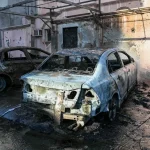
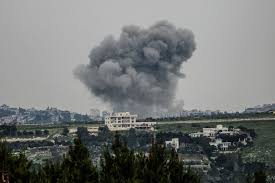
Lebanese Toll: The Ministry of Health confirmed 14 fatalities, including women and children, across 16 villages in the south. Strikes targeted infrastructure in Kfar Tebnit and Zawtar al-Sharqiyah, where local media reported the destruction of a mosque.
-
The First Fallen Soldier: The IDF confirmed the death of a 19-year-old soldier from the Golani Brigade in Taybeh. He was killed by a Hezbollah FPV (First-Person View) drone, marking the first Israeli combat death since the April 17 agreement.
-
The “Yellow Line” Friction: Most of the fighting is concentrated within the 10km “Yellow Line” security zone, where Israeli tanks remain stationed despite the ceasefire terms.
2. The New Weaponry: Fiber-Optic Drone Warfare
Analysts are noting a shift in Hezbollah’s tactics that makes the ceasefire even harder to monitor.
-
Unstoppable Drones: Hezbollah has increasingly deployed fiber-optic FPV drones. Unlike traditional drones, these are physically connected to the operator by a wire, making them immune to Israeli GPS jamming and electronic warfare.
-
Targeting Evacuations: The IDF accused Hezbollah of using these drones to target medical teams evacuating casualties near the border, a claim Hezbollah frames as “legitimate resistance” to an ongoing occupation.
3. The Diplomatic Deadlock: Netanyahu vs. Berri
While President Donald Trump announced a three-week extension of the truce on April 23, the political foundations have crumbled.
-
Netanyahu’s Command: On Saturday, the Prime Minister ordered the IDF to “vigorously attack” Hezbollah, stating that the group’s actions are “dismantling the ceasefire.” He clarified that Israel’s “freedom of action” includes neutralizing emerging threats, not just responding to attacks.
-
Hezbollah’s Rejection: In a defiant statement on Monday morning, Hezbollah rejected Netanyahu’s accusations, stating they would not rely on “ineffective diplomacy” or the Lebanese government, which they claim has “failed to protect the country.”
-
The US Pressure: Reports suggest Israel has asked the US to pressure Lebanese Parliament Speaker Nabih Berri to act against Hezbollah or face a full-scale return to the pre-April 17 war footing.