

Kenyans across the country are continuing to feel the painful effects of rising fuel prices as the government races to contain the growing economic pressure caused by the global oil crisis.
The increase in petrol, diesel, and kerosene prices has affected nearly every sector of the economy, pushing transport costs higher and forcing many households to spend more on basic needs. Businesses are also struggling with increased operating expenses as fuel prices continue to fluctuate.
In recent weeks, concerns over the rising cost of living have intensified, with many Kenyans questioning whether the government can fully protect consumers from the ongoing crisis.
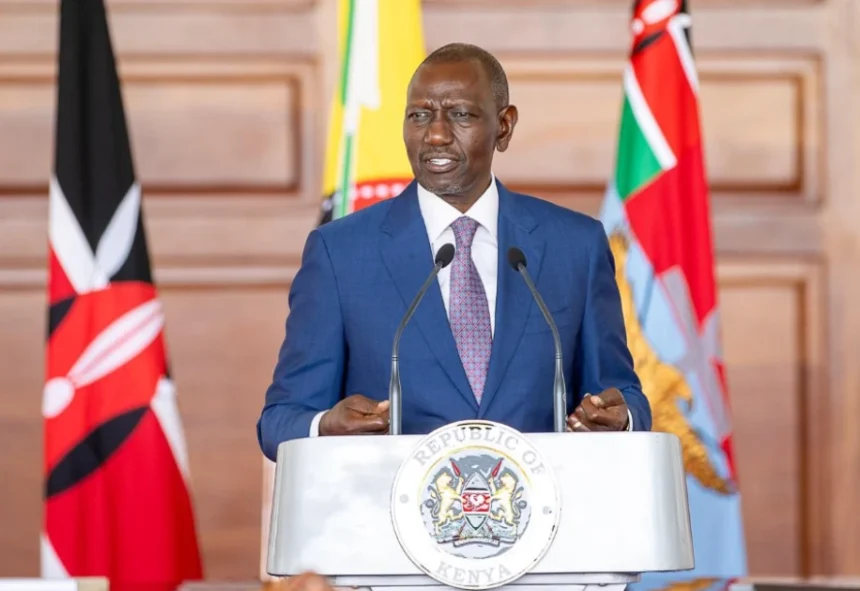
President William Ruto’s administration, however, insists that several emergency measures have already been introduced to cushion citizens and stabilize the market.
Global Oil Crisis Hits Kenya Hard
The current fuel crisis has largely been blamed on instability in the global oil market, especially tensions in the Middle East that disrupted fuel supply chains worldwide.
According to government officials, the conflict around major oil shipping routes caused international crude oil prices to rise sharply, directly affecting countries like Kenya that rely heavily on imported petroleum products.
The rise in fuel prices globally has triggered economic pressure in several countries, but the impact in Kenya has been particularly severe because transport and food supply systems heavily depend on fuel.
As fuel prices increased, transport operators across Kenya raised fares almost immediately, forcing commuters to spend more on daily travel. Prices of food and essential goods also rose due to higher transportation costs.
Many Kenyans say the fuel hikes have made life increasingly difficult at a time when the economy is already facing inflation and unemployment challenges.
Government Announces Fuel Stabilization Measures
In response to the crisis, the government says it has introduced major fuel stabilization programs aimed at preventing further increases in pump prices.
President Ruto recently announced that billions of shillings have already been spent to reduce the cost burden on consumers.
The government says part of the money has been used through the Petroleum Development Fund to subsidize fuel prices and prevent sudden spikes at fuel stations across the country.
Officials argue that without the intervention, the cost of petrol and diesel would have been significantly higher than the current prices being experienced by Kenyans.
The administration also defended its decision to maintain fuel subsidies despite pressure on public finances, saying protecting citizens from harsh economic shocks remains a priority.
VAT Reduction Meant to Ease Pressure
Another key step highlighted by the government is the reduction of Value Added Tax (VAT) on petroleum products from 16 percent to 8 percent.
According to Treasury officials, the move was designed to make fuel more affordable and reduce pressure on households and businesses.
Although the VAT cut has reduced government tax revenue, officials insist it was necessary to help ordinary Kenyans cope with the rising cost of living.
Energy sector experts say the tax reduction has helped slow down the increase in pump prices, although many consumers still believe fuel remains too expensive.
Critics, however, argue that the government should do more to fully remove taxes on fuel or introduce additional subsidies to support struggling families.
Transport Sector Among the Hardest Hit
The transport industry remains one of the sectors most affected by the fuel crisis.
Matatu operators, bus companies, and boda boda riders have repeatedly complained about high diesel and petrol prices, warning that many operators are operating at a loss.
In several towns, transport fares increased sharply following the latest fuel price adjustments, leaving commuters frustrated and angry.
The situation recently triggered demonstrations and strike threats from transport groups demanding immediate government action.
In Nairobi and other major towns, some commuters were stranded after transport operators temporarily suspended services to protest rising fuel costs.
The government later held talks with transport leaders and promised additional diesel price reductions to ease pressure on the sector.
Officials say continued engagement with transport stakeholders will help prevent future disruptions.
Businesses Struggling with Higher Costs
The impact of the fuel crisis is also being felt heavily in the business community.
Manufacturers, retailers, and small businesses say higher fuel prices have increased transportation and production costs, forcing many traders to raise prices.
Farmers have also complained about expensive transportation costs affecting the movement of produce from rural areas to urban markets.
Economic analysts warn that if fuel prices remain high for a prolonged period, inflation could continue rising and reduce consumers’ purchasing power even further.
Some businesses have already started cutting expenses and reducing operations to survive the difficult economic environment.
Despite the challenges, the government says its interventions are helping prevent a deeper economic crisis.
Kenyans Demand Long-Term Solutions
While many citizens appreciate the government’s efforts to stabilize fuel prices, others believe temporary measures alone are not enough.
Kenyans have continued calling for long-term solutions that can reduce the country’s dependence on imported fuel and protect the economy from future global oil shocks.
Energy experts have urged the government to invest more in renewable energy, electric transport systems, and local energy infrastructure.
Others have suggested expanding Kenya’s oil storage capacity to help the country manage future supply disruptions more effectively.
Opposition leaders have also criticized the government’s handling of the economy, arguing that poor policies and high taxes have worsened the burden on ordinary citizens.
However, government officials maintain that the current fuel crisis is largely caused by international events beyond Kenya’s control.
What Kenyans Should Expect Next
The government says it will continue reviewing fuel prices through the Energy and Petroleum Regulatory Authority (EPRA) while monitoring global oil market trends closely.
Officials have promised to continue using fuel stabilization programs whenever necessary to protect consumers from extreme price increases.
There are also expectations that fuel prices could reduce slightly if global oil supply improves in the coming months.
For now, however, millions of Kenyans continue to adjust to the reality of higher transport costs, expensive food prices, and increasing economic pressure.
As the situation develops, many citizens remain hopeful that the government’s interventions will eventually bring relief and help stabilize the economy before