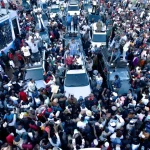


A wave of frustration has swept through Kenya’s transport sector after leaders suspended the much-anticipated nationwide matatu strike, leaving many drivers and conductors accusing union officials of betrayal.
The strike had been expected to disrupt transport operations in major towns across the country as operators protested against rising fuel prices, high taxes, and increasing operational costs. However, after negotiations with government officials, transport leaders announced that the planned demonstrations had been called off temporarily.
While the suspension brought relief to commuters, many transport workers expressed anger, claiming the decision was made without proper consultation.
The latest dispute highlights growing tension within Kenya’s public transport industry as operators struggle with the rising cost of doing business amid the ongoing fuel crisis.
Why Transport Operators Wanted to Strike
The nationwide strike was organized after weeks of complaints from matatu operators and boda boda riders over increasing fuel prices.
Drivers and conductors argued that expensive diesel and petrol had drastically reduced profits while making daily operations difficult. Many operators claimed they were spending most of their earnings on fuel alone.
Transport crews also complained about rising spare part prices, insurance costs, county levies, and vehicle maintenance expenses.
Some matatu owners warned that continued fuel increases could eventually force many vehicles off the road.
At the same time, commuters have been resisting fare increases due to the difficult economic conditions facing many households.
This left operators caught between rising operational expenses and passengers unwilling to pay higher fares.
The growing pressure eventually pushed transport unions to announce a nationwide strike aimed at forcing government action.
Anger After Strike Was Called Off
The cancellation of the strike sparked immediate backlash from many transport workers.
Several crews claimed they had fully prepared for demonstrations and expected leaders to continue pushing until the government introduced concrete solutions.
Instead, many workers said they were shocked to hear the strike had been suspended after closed-door meetings with government officials.
Some drivers accused union leaders of prioritizing politics over the interests of ordinary workers.
Others claimed the leadership had failed to secure clear agreements before ending the planned protests.
At several matatu stages in Nairobi, angry crews openly criticized transport officials and threatened to organize independent protests if their concerns were ignored.
The situation exposed growing mistrust between grassroots transport workers and union leadership.
Government Promises to Address Fuel Concerns
Following discussions with transport representatives, the government announced fresh efforts aimed at easing pressure on operators and consumers.
President William Ruto’s administration said billions of shillings had already been used through fuel stabilization measures to reduce the impact of rising global oil prices.
Officials also promised additional reductions in diesel prices during upcoming fuel pricing reviews.
The government insists that Kenya’s fuel crisis has mainly been caused by international factors beyond local control.
According to officials, instability in global oil markets and supply chain disruptions have pushed fuel prices higher worldwide.
The administration also defended continued negotiations with transport leaders, saying dialogue was necessary to avoid nationwide disruptions that could affect millions of Kenyans.
Government officials urged operators to remain patient as more discussions continue.
Commuters Relieved by Strike Suspension
Despite the anger among transport workers, many commuters welcomed the suspension of the strike.
Thousands of workers, students, and traders had feared severe transport disruptions if matatus and buses stopped operating across the country.
In Nairobi and other major towns, some people had already started making alternative travel plans before the strike was canceled.
After the announcement, most matatus resumed normal operations, allowing commuters to continue traveling without major interruptions.
However, many passengers still complained about high transport fares which continue to strain household budgets.
Some commuters argued that even without a strike, the rising cost of public transport remains a major burden for ordinary Kenyans.
Rising Cost of Living Continues Hurting Kenyans
The transport crisis comes at a time when many Kenyans are already struggling with the high cost of living.
Rising fuel prices have contributed to increased food prices, expensive transport, and higher business operating costs across the country.
Small businesses, traders, and farmers have all reported financial pressure linked to expensive transportation and logistics.
Economic analysts warn that if fuel prices remain unstable, inflation could continue rising and place even more pressure on households.
Some experts are now calling for long-term solutions including investment in alternative energy, improved public transport systems, and reduced dependence on imported fuel.
Others believe the government should review taxes on fuel to make prices more affordable.
Divisions Emerging Within the Transport Industry
The suspension of the strike has also exposed internal divisions within Kenya’s transport industry.
Some workers are now demanding greater transparency from transport unions and associations.
Critics claim some leaders are too close to politicians and no longer represent the interests of ordinary drivers and conductors effectively.
Several crews have even threatened to organize grassroots demonstrations independent of union leadership.
Union officials, however, defended their decision and insisted negotiations with the government are still ongoing.
They argued that avoiding nationwide chaos was important while discussions continue.
What Happens Next?
The future of the transport dispute now depends largely on whether the government fulfills promises to lower fuel prices and ease pressure on operators.
Many matatu crews say they are closely watching upcoming fuel price announcements and government actions.
If conditions fail to improve, some operators warn that fresh protests could erupt in the coming weeks.
For now, the suspension of the strike has temporarily restored calm, but frustrations within the transport sector remain far from over.
As millions of Kenyans continue struggling with expensive fuel and rising living costs, the pressure is now on both government officials and transport leaders to find lasting solutions before tensions escalate further.