

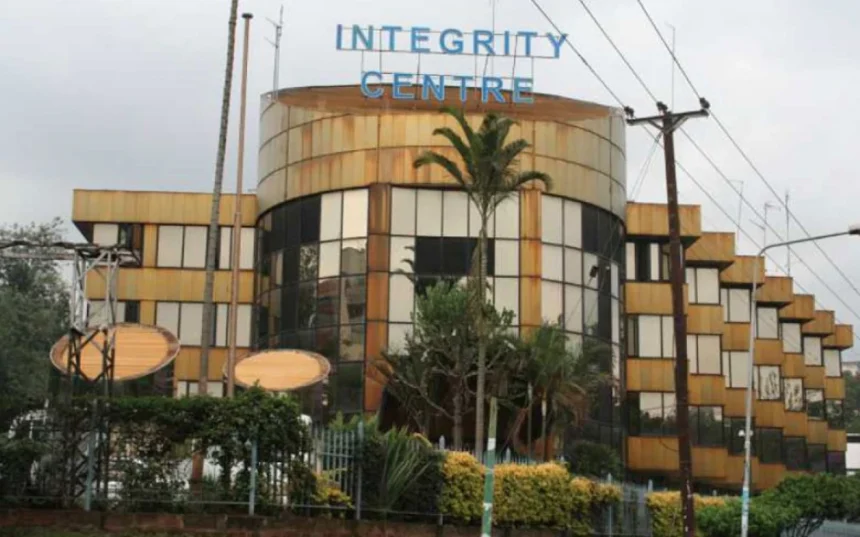
While the EACC raid on March 24, 2026, shocked the public, it was no surprise to those who follow the Embu County Assembly’s Public Accounts Committee (PAC). For weeks leading up to the detectives’ arrival, a series of damning reports had already painted a picture of a county treasury in freefall, characterized by “missing” documents, expired contracts, and unauthorized withdrawals.
The Ksh.95 million tender scandal is not an isolated event; it is the tip of an iceberg built on years of ignored audit queries and administrative indifference.
The “Missing Documents” and the Fire Alibi
One of the most startling revelations from the recent PAC hearings, led by Deputy Speaker Ibrahim Swaleh, involved the County Industrial Aggregation Park (CAIP) project. Investigators found that Ksh.10.1 million had been irregularly withdrawn from a special purpose account without any supporting documentation.
When pressed for the missing records, county officials provided an explanation that has become a flashpoint for public anger: they claimed the documents were destroyed in a fire allegedly started during the 2024 Gen Z protests.
The PAC Verdict: The committee dismissed this claim, noting that no evidence of the fire—or efforts to reconstruct the records—had been provided.
The Legal Fallout: Finance CEC Prof. Joe Kamaria has been ordered to reconstruct these records within 90 days or face personal surcharging under the Public Audit Act.
The JamboPay Factor: Payments Without a Contract
The EACC’s focus on “proxy companies” also intersects with the county’s revenue collection systems. Just days before the raid, the Assembly flagged an irregular Ksh.3 million payment made to JamboPay—months after its contract had expired in April 2023.
The Breakdown of Procedure:
No Extension: The contract for the automated revenue system was never formally extended.
LPO Abuse: Local Purchase Orders (Nos. 66 and 76) were allegedly issued by senior officials without a recommendation from the Tender Evaluation Committee.
Duplicate Spending: At the time of these irregular payments, the county was already spending Ksh.37 million on a new system, essentially paying twice for the same service.
The “Conflict of Interest” Epidemic
The EACC’s discovery of 11 companies linked to three MCAs highlights a growing trend in Kenyan devolution: the “Legislative Tenderpreneur.” When those tasked with oversight (MCAs) are also the beneficiaries of the budget (Contractors), the system of checks and balances evaporates.
The Central Regional Manager, Japheth Baithalu, has signaled that the commission is specifically looking at “beneficial interests.” This means even if an MCA’s name isn’t on the CR12 form, detectives are using bank trails to see who actually withdrew the cash at the end of the day.
Conclusion: Beyond the Search Warrants
The residents of Embu are no longer satisfied with “investigations.” From the boda boda riders who protested the alleged diversion of funds to the local activists demanding a “lifestyle audit” of the Assembly members, the pressure for real consequences is at an all-time high.
As the EACC processes the computers and files seized on Tuesday, the question isn’t just who will be arrested, but whether Embu can rebuild a procurement system that isn’t reliant on “fire-prone” paper trails and briefcase companies.