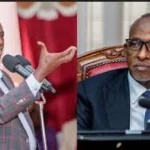

Beyond the serene lawns and historic buildings of the University of Nairobi, a silent war rages—one that will determine the soul of Kenya’s oldest and most prestigious university. The current UoN recruitment standoff is not merely a bureaucratic dispute; it is the frontline in a fundamental battle over academic autonomy in Kenyan public universities. On one side stands the state-appointed University Council, armed with mandates for fiscal oversight. On the other stands the university’s management and academic staff, guardians of institutional independence. This clash over who controls the hiring of professors and administrators threatens to erode the very foundation of scholarly excellence and intellectual freedom at the “Hill of Knowledge.”
Section 1: Deconstructing the Standoff: Power, Policy, and Precedent
The stalemate is a complex interplay of legal ambiguity, financial anxiety, and political interest.
The Legal Grey Zone: The Universities Act (2012) created the University Council as the supreme governing body. However, the act’s delineation between “governance” (the Council’s role) and “administration and academic affairs” (Management’s role) is now the epicenter of conflict. Is approving a Dean an academic or a governance function?
The Ghost of Financial Mismanagement: Past scandals involving irregular hiring and procurement have made the Council, which is accountable to the Treasury and the Public, hyper-vigilant. Their insistence on vetting all appointments is framed as a necessary check against wastage and corruption in a cash-strapped institution.
The “Acting” Epidemic: The standoff has led to an unprecedented number of senior positions being filled by officers in “acting” capacity—from Deputy Vice-Chancellors to College Principals. This creates institutional paralysis, as acting officers are often reluctant to make long-term strategic decisions.
Section 2: The Stakes: What Kenya Stands to Lose
The implications of this war extend far beyond the UoN staff room.
Brain Drain Accelerated: Top-tier academics and researchers will not remain in an institution mired in perpetual conflict and leadership uncertainty. They will seek stability abroad or in private universities, draining UoN of its intellectual capital.
Degradation of Academic Standards: Key committees responsible for curriculum development, research grants, and quality assurance are hamstrung by vacancies and internal politics. This directly impacts the quality of degrees awarded.
Student Welfare in the Balance: With the top leadership distracted, critical issues like fee structures, hostel maintenance, and even the timeliness of exams and graduation become secondary, directly disadvantaging the student body.
Erosion of Kenya’s Global Standing: UoN’s position in international rankings and its partnerships with global universities depend on stable, credible leadership. This public feud damages its reputation as a serious center of learning.
Section 3: Case Study: The Frozen Appointment of the DVC, Human Resource & Administration
A specific example illustrates the crisis. The position of Deputy Vice-Chancellor (Human Resource & Administration) has been vacant for over [X] months.
The Process: The university management followed internal statutes, formed a selection panel, interviewed candidates, and forwarded a name to the Council for approval.
The Block: The Council has refused to ratify the appointment, questioning the selection criteria and demanding to re-interview the shortlisted candidates itself.
The Impact: The entire HR function—crucial for staff promotions, discipline, welfare, and union negotiations—is in limbo, fueling low morale and industrial unrest.
Section 4: Pathways to Resolution: From Conflict to Constitutionalism
Saving UoN requires moving from a power struggle to principled governance.
Emergency Arbitration: The Cabinet Secretary for Education, Ezekiel Machogu, must immediately invoke his powers under the Act to appoint an independent arbiter—a retired Chief Justice or a revered figure like Prof. Micere Mugo—to interpret the statutes and recommend a binding settlement.
A Transparent Mediated Framework: All parties must agree to a 90-day mediated process to create a clear, mutually agreed Recruitment Charter. This charter would specify which positions require Council ratification and which fall under delegated management authority, with clear, merit-based selection criteria for all.
Strengthening Internal Oversight: To address the Council’s legitimate accountability concerns, a strengthened and independent University Internal Audit Committee should be established, with its reports made public to ensure financial probity without micromanagement.
Conclusion: Reclaiming the Hill for Kenya’s Future
The University of Nairobi leadership wrangles are a test of Kenya’s commitment to nurturing world-class, independent institutions. The university cannot serve as an engine of national development if it is perpetually in the repair shop of internal conflict. The Council and Management must remember they are custodians, not owners, of a national treasure. Their primary duty is to the students who entrust them with their futures and to the nation that looks to UoN for innovation and leadership. It is time to sheath the swords of ego and jurisdiction and unite behind the common shield of academic excellence and institutional integrity.