

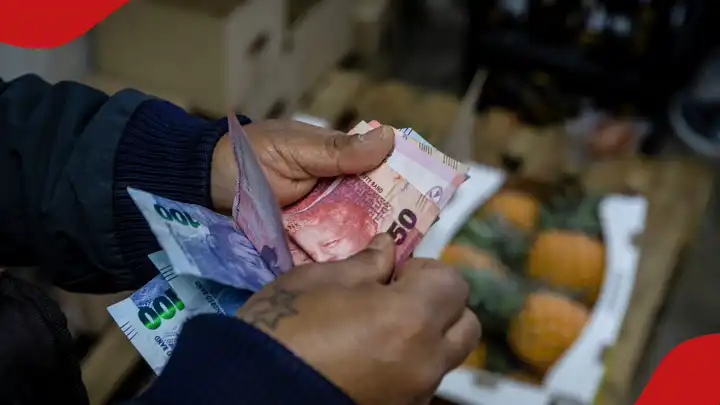
Introduction: The Double-Edged Sword of a Strong Currency
When headlines announce a nation’s currency as one of “Africa’s strongest,” it often sparks national pride. But in economic terms, currency strength is a double-edged sword—bringing benefits to some sectors while challenging others. A high exchange rate against the US dollar or euro doesn’t automatically mean a healthier economy.
In this analysis, we move beyond rankings to explore what a strong currency actually means for African governments, businesses, importers, exporters, and citizens in 2025.
1. The Winners: Who Benefits from a Strong African Currency?
A. Importers & Consumers
Lower Cost of Imports: Strong currencies make foreign goods, machinery, and technology cheaper.
Example: A Kenyan manufacturer importing German machinery pays fewer shillings per euro when the KES is strong.
Consumer Impact: Prices of imported electronics, vehicles, and refined fuel may stabilize or drop, increasing purchasing power.
B. Governments with Foreign Debt
Debt Servicing Becomes Cheaper: External debt repayments (in USD or EUR) require less local currency.
Example: Ghana’s cedi recovery in 2025 eased its debt burden, freeing up fiscal space for social spending.
C. Outbound Travelers & Students Abroad
Stronger purchasing power abroad for tourism, education, and medical travel.
Example: A Tunisian student in France benefits greatly from the TND’s strength against the euro.
D. Urban Middle-Class Consumers
Access to cheaper imported foods, luxury goods, and international brands.
2. The Losers: Who Struggles When a Currency is Too Strong?
A. Exporters (The Dutch Disease Effect)
Loss of Competitiveness: African exports (coffee, cocoa, textiles, minerals) become more expensive for foreign buyers.
Real Case: A strong Botswana Pula can make its diamonds less competitive against other global suppliers.
Job Risks: Export sectors may shrink, leading to layoffs in agriculture and manufacturing.
B. Tourism Industries
Destination Becomes Expensive: A strong currency makes a country a costly destination for international tourists.
Example: The Seychellois Rupee’s strength can deter budget travelers, affecting hotels and tour operators.
C. Local Manufacturers Competing with Imports
Cheap Imports Flood the Market: Strong currencies make imported goods artificially cheap, undercutting local producers.
Example: A strong Moroccan Dirham might help import Spanish olive oil, but hurt local olive farmers.
D. Diaspora Families Receiving Remittances
Weaker Buying Power: When the home currency is strong, dollars or euros sent home convert to less local currency.
Impact: Remittance-dependent households feel the pinch.
3. The Central Bank’s Dilemma: Stability vs. Competitiveness
African central banks walk a tightrope:
Goal Tool Risk
Keep Currency Stable Use forex reserves to intervene Depletes reserves; may delay necessary adjustments.
Control Inflation Strengthen currency to lower import inflation May over-appreciate, hurting exports.
Support Exporters Allow moderate depreciation Can trigger inflation and capital flight.
2025 Trend: Many banks (e.g., Bank of Ghana, Central Bank of Kenya) are now using managed flexibility—allowing market forces but smoothing extreme volatility.
4. Sector-by-Sector Impact Analysis (2025 Snapshot)
Agriculture:
Coffee/Cocoa Exporters (Ghana, Ivory Coast): Hurt by strong GHS/XOF.
Grain Importers (Egypt, Tunisia): Benefit from strong EGP/TND.
Mining & Energy:
Oil Exporters (Libya, Nigeria): Stronger currency reduces local revenue from dollar sales.
Mineral Exporters (Zambia, DRC): Vulnerable to currency appreciation.
Technology & Services:
IT Outsourcing (Kenya, Rwanda): Strong currencies reduce cost advantage.
Financial Hubs (Mauritius): Benefit from stable, strong currency attracting foreign capital.
5. The “Ideal” Currency Strength: A Balancing Act
Economists suggest the optimal currency level is:
Strong enough to keep inflation low and make imports affordable.
Weak enough to keep exports competitive and support local jobs.
Few African countries achieve this balance perfectly. Botswana comes close via its basket peg; Morocco through careful management.
6. 2025 Case Study: The Ghanaian Cedi’s Turnaround – Boon or Bane?
The Good:
Inflation dropped from 54% (2023) to 18% (2025).
Imported medicines and equipment became more affordable.
Investor confidence returned.
The Bad:
Cocoa farmers saw lower cedi income for their dollar exports.
Local textile firms struggled against cheap Asian imports.
Verdict: Net positive for macroeconomic stability, but targeted support for exporters is crucial.
7. What This Means for Investors & Businesses in 2025
Foreign Investors:
Strong currency = lower forex risk for repatriating profits.
But: May reduce returns from export-oriented investments.
Local Businesses:
Import-dependent businesses (pharmaceuticals, electronics) thrive.
Exporters must innovate (improve quality, efficiency) or hedge forex risk.
Advice for 2026:
Diversify markets to reduce dependency on USD/EUR zones.
Adopt forex hedging tools (forward contracts, options).
Increase local input sourcing to reduce import dependency.
8. The Future: Digital Currencies & Regional Strength
Pan-African Payment System (PAPSS): Reduces USD dependency in intra-African trade.
Digital Currencies (e-Naira, e-Cedi): Could improve monetary policy effectiveness.
Currency Unions: Proposed East African currency could create a stronger regional bloc.
Conclusion: Beyond Pride to Pragmatism
A strong currency is not an end in itself—it’s a tool for economic management. The real test for Africa in 2025–2026 is whether strong currencies translate into balanced growth, job creation, and resilience.
As global volatility continues, African policymakers must remember: the goal isn’t just a strong currency, but a strong economy that works for all its people.