
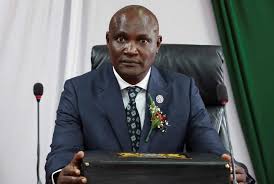
NAIROBI — Kenya continues to engage in negotiations with the International Monetary Fund (IMF) as the country seeks a new support programme to reinforce fiscal stability and manage its rising public debt. On November 4, 2025, Cabinet Secretary John Mbadi announced that additional meetings are needed to resolve key sticking points before an agreement can be finalised. Reuters
The core of the dispute centres on how to classify securitised infrastructure loans — essentially borrowing secured against revenue-streams or assets — which the Kenyan government argues should not count as sovereign debt, while the IMF maintains they should be considered part of the debt burden. “Our position … is that once you sell a right to a special-purpose vehicle, and there is no risk at all to the government … then we shouldn’t treat it as debt,” Mbadi said. Reuters
🔍 Why This Matters
The delay in securing a new IMF programme comes at a critical time for Kenya. With one of Africa’s highest debt-to-revenue ratios and growing concerns about liquidity and external repayments, global investors are watching closely. The IMF visit earlier this month underscored the need for Kenya to demonstrate strong fiscal policy credibility, debt sustainability, and transparency in borrowing and spending. Reuters+1
For the government, a new IMF deal could unlock vital funding, lower borrowing costs, and signal Kenya’s readiness to stabilise its economy. For domestic stakeholders, the outcome will affect public spending, tax policy, and the pace of infrastructure investment.
⚠️ Key Challenges
-
The classification of securitised loans remains unresolved and could impact Kenya’s official debt statistics and credit ratings.
-
The government must show evidence of stronger governance, public-asset management, and effective use of foreign borrowing.
-
Kenya still faces risks of currency depreciation, high interest payments, and inflationary pressures which could undermine the reform agenda.
🧭 What to Watch Next
-
Whether Kenya and the IMF agree on how to treat securitised loans and other off-balance sheet borrowings.
-
When a potential support programme is signed and what conditionalities it includes (fiscal, structural, governance reforms).
-
How markets respond — if bond yields or credit-default swap spreads for Kenya improve, it would signal investor confidence.
President William Ruto’s administration has emphasised that securing a new IMF programme is “necessary but not sufficient” to address the debt challenge — emphasising internal reforms and revenue mobilisation. Moving ahead, all eyes will be on how this crucial negotiation evolves and what it means for Kenya’s economic trajectory.