
As of Monday evening, March 2, 2026, the physical evidence of Sunday’s tragedy in Shivakala–Lusokho village—a blood-stained yard and a pair of disputed gumboots—has been cleared, but the legal and emotional weight remains.
The death of Joshua Wafula Furaha, allegedly at the hands of his own brother, has transitioned from a localized family grief to a matter of state interest and public concern.
1. The Legal Path: Murder or Manslaughter?
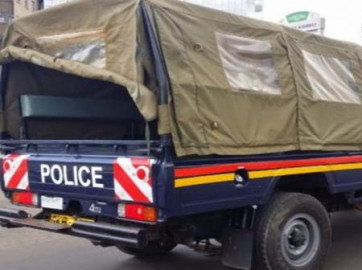
Following the suspect’s arrest, the Directorate of Criminal Investigations (DCI) in Bungoma is currently piecing together the events of Sunday night.
The Charges: While the initial report is “murder,” legal experts suggest that the court will look for “malice aforethought.” Was this a premeditated act, or a “crime of passion” triggered by a sudden fight over property?
The Evidence: The gumboots in question have been seized as Exhibit A. They stand as a haunting symbol of a life cut short over a mundane household item.
The Timeline: The suspect is expected to be arraigned in a Bungoma court within the week, once a post-mortem on Joshua’s body is completed at the local mortuary.
2. The Village Baraza: “Enough is Enough”
On Monday afternoon, village elders and the Nyumba Kumi leadership convened an informal baraza (community meeting) near the Furaha homestead. The mood was one of collective failure.
“We have seen too many young men in this sub-location choosing the panga over the word,” said Mzee Juma, a local elder. “If brothers cannot share a pair of boots without shedding blood, then our community fabric is torn.”
The elders have proposed a mandatory registration of all “simmering” family land and property disputes to be mediated before they reach a boiling point.
3. The “Double Loss” for the Parents
For the parents of Joshua and his brother, there is no “winning” side in this case. They are facing the ultimate nightmare:
One son is in a cold room (mortuary).
The other son is in a cold cell (remand).
They must now find the strength to bury one while potentially testifying against or seeking mercy for the other.
4. A Call for Mental Health Awareness
Local activists are using this tragedy to highlight the lack of mental health support in rural Bungoma. Substance abuse and the “shame” of poverty often prevent men from seeking help, leading to explosive outbursts over minor triggers.