

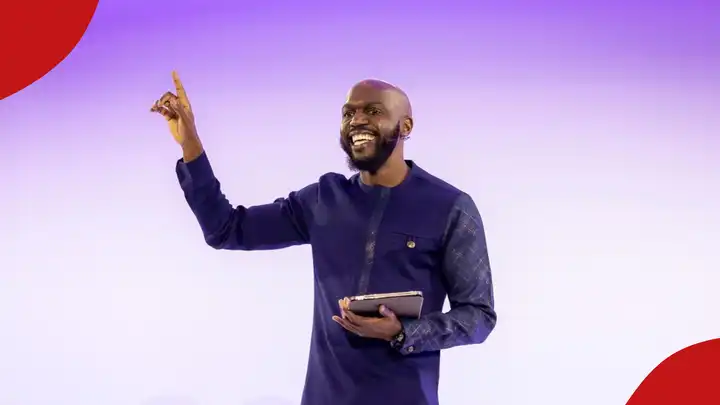
In the high-stakes world of global journalism, Larry Madowo reports on war, famine, and geopolitical crises. Yet, a single, humorous social media post about receiving flirtatious DMs revealed a parallel, deeply relatable universe that exists alongside his CNN correspondent duties. His now-viral quip—essentially that his calendar is filled with conflict zones, not coffee dates—did more than elicit laughs. It lifted the veil on the jarring, surreal duality of modern media fame, where a journalist’s phone pings with both news alerts and romantic advances. This blog deconstructs how a simple, witty deflection became a powerful cultural touchstone about work-life balance in the most extreme of professions.
Section 1: The Anatomy of the Quote: “My schedule is mostly war zones and airport lounges.”
The power of Madowo’s response lies in its perfect, compact construction.
Juxtaposition as Humor: The core humor is built on extreme juxtaposition. Placing “war zones” (universal shorthand for gravity, danger, and global import) next to the romantic or social notion of “shooting a shot” creates instant, absurdist comedy. It highlights the ridiculousness of trying to flirt with someone whose mind is, quite literally, on life-and-death issues.
The Relatability Angle (On Steroids): Every professional has used their workload as a gentle excuse. “I’d love to, but I’m swamped at work.” Madowo’s version is just the most high-stakes, globally dramatic iteration of this universal excuse. It’s profoundly relatable, just amplified to an epic scale.
A Polite But Firm “No, Thank You”: Embedded in the joke is a clear, unassailable message. It’s not personal; it’s logistical. He’s not rejecting anyone’s character; he’s simply pointing to a calendar booked by world events. It’s the most diplomat-proof of rejections.
Section 2: Why It Struck a Global Nerve: More Than Just a Clapback
The response resonated far beyond media circles or Kenyan social media for several key reasons:
Humanizing the Byline: For global audiences, foreign correspondents can seem like heroic, almost mythical figures beamed from chaos. This moment re-anchored Madowo as a human being. It reminded people that the person analyzing NATO strategy also has to navigate the mundane oddities of social interaction. It built empathy and connection.
A Celebration of Kenyan Wit on the World Stage: For Kenyans, there was immense pride in seeing one of their own handle a globally relatable scenario with such distinctive, sharp, and graceful wit. It showcased a Kenyan sense of humor—smart, self-aware, and understated—to a global audience, reinforcing Madowo’s role as a cultural ambassador as much as a journalistic one.
The “Fantasy vs. Reality” of Glamorous Jobs: The post dismantled any illusion of glamour attached to his jet-setting life. “Airport lounges” aren’t glamorous; they’re spaces of exhaustion and transit. The reminder that his “glamorous” life is one of stress and constant movement made him more authentic and admired.
Section 3: The Deeper Commentary: On Boundaries and the Performance of Busyness
Beneath the humor, the moment offered a subtle commentary on modern life.
The Ultimate Boundary Setting: In a culture that often glorifies “hustle” and being “crazy busy,” Madowo presented the literal, indisputable pinnacle of having a valid reason to be unavailable. It sparked a conversation about how we all use “busyness” as a social shield and where we draw lines between public and private life.
The Absurdity of “Always On” Culture: Even for someone covering tragedies, the expectation of social availability (via DMs) persists. His response highlighted the absurd pressure to be perpetually accessible and responsive, regardless of one’s actual, weighty responsibilities.
A Rejection of Performative Romance: In an age of curated dating app profiles and performative romantic gestures, his grounded, reality-based response was refreshingly anti-performance. It said, “This is my actual life, not a highlight reel.”
Section 4: The Aftermath: Memes, Takeaways, and Sustained Persona
The line didn’t just disappear; it evolved.
Memeification and Adoption: Phrases like “Sorry, my schedule is war zones” were quickly adopted by the online community as a humorous, hyperbolic way to decline invitations or express being overwhelmed. It entered the digital lexicon.
Strengthening the Madowo Brand: The incident perfectly reinforced his personal brand: intellectually sharp, culturally savvy, globally relevant, yet authentically Kenyan and grounded. It was authentic content that no PR team could script better.
A Lesson for Public Figures: It demonstrated that vulnerability and humor about the oddities of fame can strengthen public connection more than a rigid, perfectly polished image ever could.
Conclusion: The Wit as a Bridge
Larry Madowo’s witty retort succeeded because it acted as a bridge. It bridged the gap between his global stature and everyday human experience. It bridged the gap between a serious profession and the universal need for levity. And it bridged the gap between him and his audience, fostering a sense of shared understanding.