
The Invitation: More Than a Photo Op
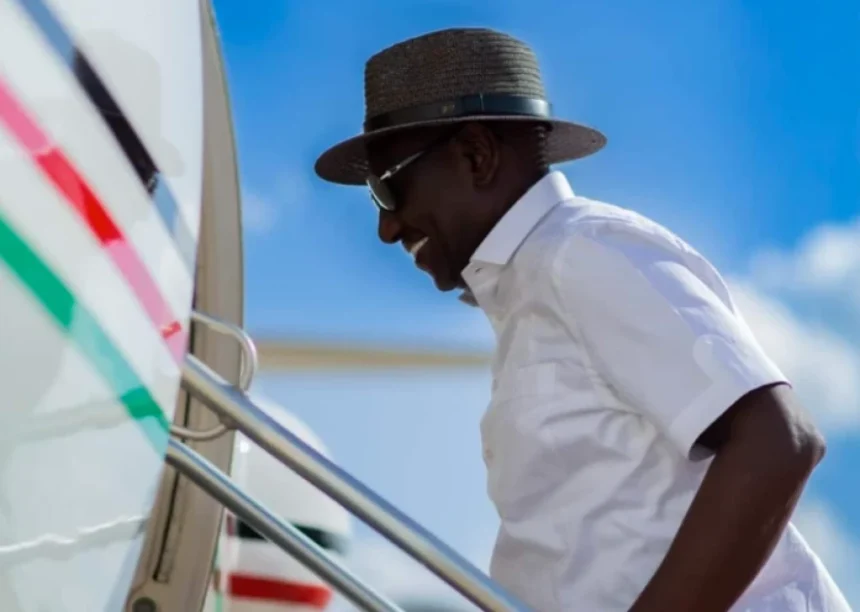
When Air Force One, or its Kenyan equivalent, touches down at Joint Base Andrews, it carries more than a head of state; it carries a meticulously crafted national agenda. President William Ruto’s visit to Washington, D.C., at the invitation of President Donald Trump, is a masterclass in multi-layered diplomacy. While the world’s cameras will focus on the handshakes and the signing of the DRC-Rwanda Peace Agreement, the real story for Kenya unfolds in the closed-door meetings that follow. This trip is a strategic maneuver with three clear, high-value objectives: cementing Kenya’s role as Africa’s indispensable peace broker, securing a generational shift in health funding, and unlocking American capital for a transformational economic agenda.
For Ruto, the peace deal is not just a ceremony to attend but a platform to stand upon. Kenya’s consistent involvement in the Nairobi and Luanda peace processes has earned it a coveted seat at this table. By being present at this U.S.-hosted signing, Kenya’s diplomatic brand is elevated from regional mediator to internationally recognized stabilizer. This isn’t altruism; it’s strategic positioning. A peaceful, stable Eastern DRC opens northern corridors for Kenyan trade, reduces security spillover risks, and strengthens Nairobi’s voice in the African Union and United Nations. Ruto’s presence says: Kenyan diplomacy delivers.
The Briefcase: Kenya’s Three-Point Agenda
Beneath the surface of diplomatic pleasantries, President Ruto’s team has a clear briefing book. The bilateral talks with President Trump and his cabinet are where Kenya’s tangible needs meet America’s strategic interests.
1. The Health Framework: From Aid to Partnership
The most concrete deliverable will be the signing of the Kenya-U.S. Health Cooperation Framework. This is a quiet revolution in development policy. For a quarter-century, health partnerships have followed a donor-recipient script, often subject to the shifting political winds in Washington. This new framework, negotiated in the shadow of PEPFAR’s legacy, aims to institutionalize cooperation. The goal is to transition to a Kenyan government-led model, aligning U.S. support directly with Kenya’s own Universal Health Coverage (UHC) blueprint for 2030. For Kenya, this means predictable, sustainable funding for building pharmaceutical manufacturing, training a robust health workforce, and managing the growing burden of non-communicable diseases. For the U.S., it’s an investment in a stable, self-reliant partner that can act as a regional health anchor. It’s a move from writing cheques to building systems together.
2. The Economic Ask: PPPs and “The Kenya Promise”
President Ruto will pivot from health security to economic security with a focused pitch: Kenya is open for business, but on smarter terms. Expect a strong push for U.S. investment via Public-Private Partnerships (PPPs). The Kenyan delegation will likely present a portfolio of bankable projects—from geothermal power plants in the Rift Valley to tech parks in Konza City and large-scale agro-processing hubs. The message is tailored for a U.S. administration keen on “deal-making”: Kenya offers political stability, a growing skilled workforce, and a strategic gateway to the African Continental Free Trade Area (AfCFTA). Ruto will not just ask for money; he will offer the U.S. a strategic equity stake in East Africa’s most dynamic economy. He will also likely discuss the “digital superhighway” and green energy projects, framing them not as aid requests but as lucrative investment opportunities with high returns.
3. The Security Conversation: An Old Alliance, New Tools
The third pillar of the talks will be security, but the conversation has evolved. While counter-terrorism cooperation against groups like Al-Shabaab remains critical, the dialogue will expand. Kenya will seek support for maritime security in the Indian Ocean to protect vital trade routes. There will also be discussions on cybersecurity capacity building and modernizing the Kenya Defence Forces. The underlying ask is for Kenya to be seen not just as a security consumer but as a security provider in a volatile region, requiring tools and intelligence commensurate with that responsibility.
The Verdict: A Test of Strategic Pragmatism
This Washington visit is a critical test for President Ruto’s foreign policy doctrine of “strategic pragmatism.” Can he convert Kenya’s diplomatic credibility into concrete economic and developmental gains? The success of this mission won’t be measured by the warmth of the press conference statements but by the hard commitments that follow: the size of the investment deals, the robustness of the health framework, and the depth of the security tech transfer.
For Kenyans watching, the questions are practical: Will this trip lower the cost of living by securing cheaper imports and better markets? Will it create jobs through new factories and infrastructure projects? Will it make hospitals more reliable? President Ruto is betting that a stronger, more respected voice on the world stage is the first step toward answering “yes” to all three. The diplomat’s log from Washington will soon show if that bet is paying off.
This response is AI-generated, for reference only.