

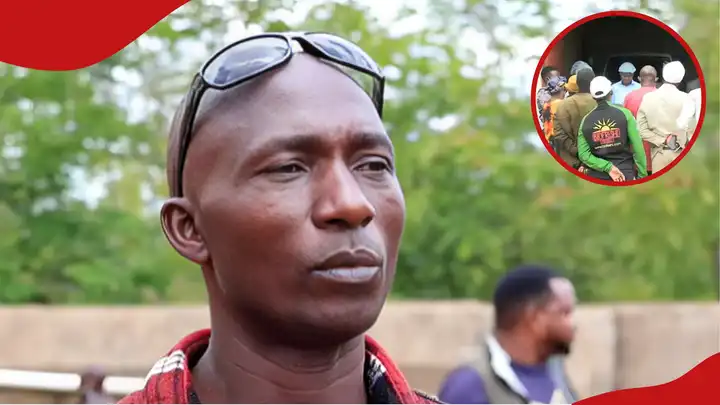
When Numbers Become Names: The Human Face of Road Tragedies
The recent tragic accident in Makueni that claimed a mother and her three children is more than just another statistic in Kenya’s growing road safety crisis—it represents the countless families being torn apart by preventable accidents on our roads. While authorities quote numbers and percentages, behind each digit lies a story of shattered dreams and permanent loss.
John Musyoka’s story has struck a chord with many Kenyans because it reflects a reality too many families have faced. His experience of losing his entire family in a single moment exposes the urgent need for comprehensive road safety reforms that prioritize human life over convenience and profit.
The Alarming Statistics Behind the Headlines
Recent data from the National Transport and Safety Authority (NTSA) paints a grim picture:
3,609 lives lost in road accidents in 2023 alone
Pedestrians account for 40% of all road fatalities
Matatus involved in nearly 60% of serious accidents
Young adults aged 25-35 represent the highest casualty demographic
These numbers, while staggering, fail to capture the emotional devastation experienced by surviving family members, the economic impact on households that lose breadwinners, or the psychological trauma that affects entire communities.
The Root Causes: Systemic Failures in Transport Safety
Multiple factors contribute to Kenya’s persistent road safety challenges:
Infrastructure Deficiencies:
Many of Kenya’s major highways lack basic safety features like proper signage, pedestrian crossings, and emergency lanes. The Makueni-Kibwezi road where the recent tragedy occurred has been flagged by multiple safety audits as requiring urgent upgrades.
Enforcement Gaps:
Despite existing traffic laws, enforcement remains inconsistent. Corruption at weighbridges and police checkpoints allows unroadworthy vehicles to remain on the roads. A recent study showed that over 30% of public service vehicles fail basic safety standards.
Driver Training and Culture:
The commercialization of the transport sector has prioritized profits over safety. Many drivers operate under intense pressure to meet daily targets, leading to speeding and reckless driving. The quality of driver training has also been questioned, with some schools accused of issuing licenses without proper assessment.
The Economic Impact Beyond the Human Cost
The consequences of road accidents extend far beyond immediate family tragedy:
Healthcare costs for accident victims strain family finances and public health systems
Lost productivity affects economic growth when breadwinners are killed or disabled
Insurance premiums rise for all motorists due to frequent claims
Tourism suffers when destinations become associated with dangerous roads
A World Bank study estimated that road accidents cost Kenya approximately 5% of its GDP annually when accounting for medical expenses, property damage, and lost income.
Community Responses and Grassroots Initiatives
Despite the challenges, communities across Kenya are taking action:
Local Safety Committees:
In areas like Naivasha and Thika, community-led safety committees work with police to identify black spots and advocate for better infrastructure.
Victim Support Networks:
Organizations like the Road Accident Victims Association provide counseling and legal support to families affected by accidents.
Driver Training Programs:
Initiatives like the Safe Drive Kenya campaign offer refresher courses and safety awareness training for commercial drivers.
Government Initiatives and Their Effectiveness
Recent government efforts to address road safety include:
The National Road Safety Action Plan 2023-2027:
This comprehensive strategy aims to reduce road fatalities by 50% through improved enforcement, infrastructure upgrades, and public awareness campaigns.
Digital Enforcement:
The introduction of smart number plates and automated traffic surveillance systems aims to reduce human intervention in enforcement.
Road Infrastructure Upgrades:
Ongoing projects like the dualling of major highways and installation of safety barriers show promise, though implementation has been uneven across regions.
Lessons from Other Nations
Countries that have successfully reduced road fatalities offer valuable insights:
Rwanda’s Strict Enforcement:
Through zero-tolerance policies and technology-driven enforcement, Rwanda has reduced traffic deaths by over 60% in a decade.
Sweden’s Vision Zero:
This approach recognizes that human error is inevitable and focuses on creating a transport system that minimizes the consequences of mistakes.
Botswana’s Road Safety Education:
Comprehensive road safety education in schools has created a culture of safety among younger generations.
The Way Forward: Concrete Steps for Change
Based on expert recommendations and successful models, Kenya needs:
Urgent infrastructure upgrades at known black spots
Strict enforcement of existing traffic laws without corruption
Comprehensive driver retraining and certification
Vehicle inspection reforms to ensure roadworthiness
Victim compensation funds to support affected families
National road safety education in school curricula
A Father’s Pleas Become a National Wake-Up Call
John Musyoka’s tragedy has become a symbol of the urgent need for change. As he prepares to bury his wife and children, his call for action echoes across the nation: “We need more than promises. We need action before more families are destroyed.”
The solution requires collaboration between government agencies, transport operators, and citizens. As Transport Cabinet Secretary Kipchumba Murkomen recently stated: “Every life lost on our roads is one too many. We are committed to implementing the necessary reforms to make our roads safe for all users.”
The memory of Grace Wanjiku and her three children—and thousands of other Kenyans lost to road accidents—must become the catalyst for meaningful, lasting change in Kenya’s approach to road safety.