

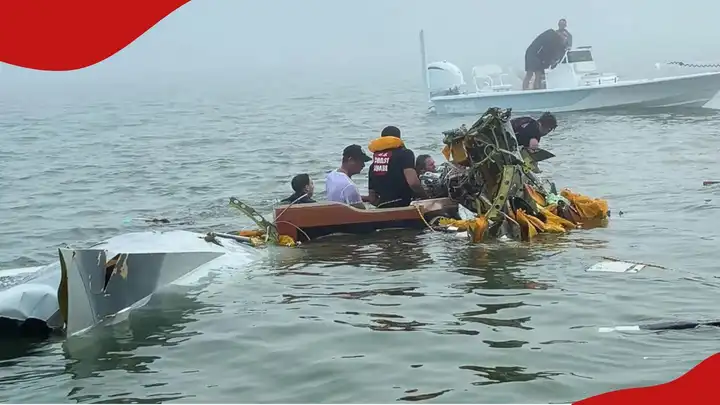
The ashes of the Mexican air ambulance present a horrifying ethical equation: Did the urgent need to save a child’s life inadvertently contribute to ending five? This tragedy forces a painful, necessary examination of the cruel calculus at the heart of medical aviation. Every such flight is a real-time risk assessment, a constant balancing act between a patient’s deteriorating condition and the unforgiving laws of physics, weather, and human endurance. This blog delves into the high-stakes decision-making, the pressures that can bend safety protocols, and the profound moral weight carried by dispatchers, pilots, and doctors who must decide: Is it safe enough to fly?
Section 1: The Decision to Launch: Who Makes the Call and Under What Pressure?
The chain of decision-making for a medical flight is fraught with competing priorities.
The Referring Physician’s Plea: The process often starts with a doctor on the ground declaring, “This patient will die without a higher level of care.” This creates immense moral and professional pressure to activate the airlift system. The urgency is medically real and emotionally compelling.
The Dispatcher’s Dilemma: The flight dispatcher or operations controller must translate that medical urgency into an aviation reality. They must assess: Weather at origin, destination, and en route. Aircraft and crew availability and rest status. Terrain and alternate landing options. Their “go/no-go” decision pits a statistical risk (weather, mechanical failure) against a certain, imminent medical risk.
The “Launch Pressure”: In the background looms institutional and even public pressure. Hospitals want to provide every chance. Families are desperate. News of a denied flight that leads to a patient’s death can spark outrage and lawsuits. This creates a powerful, often unspoken, bias toward launching.
Section 2: The Pilot’s Burden: Flying the “Unflyable” Mission
Once launched, the pilot becomes the final arbiter of safety, carrying an unimaginable dual burden.
The “Living Cargo” Dynamic: Unlike cargo or even passengers, the patient is a dynamic, potentially unstable medical case. A turn for the worse mid-flight adds acute psychological stress, potentially pressuring the pilot to take shortcuts or accept greater risk to land faster.
“Get-There-Itis” – A Deadly Cognitive Bias: In aviation, “get-there-itis” is the dangerous fixation on reaching a destination despite deteriorating conditions. For a medical pilot, this bias is supercharged by the visual of a critically ill child in the cabin and the knowledge that turning back might mean their death. Pushing through marginal weather becomes a heroic temptation.
Operating at the Margins: Medical flights often use smaller airstrips, fly at lower altitudes in poor weather to avoid clouds, and navigate challenging terrain to reach remote communities. This consistently places them in a higher-risk envelope of flight.
Section 3: The Systemic Vulnerabilities: Where the Calculus Can Fail
Beyond individual decisions, systemic factors stack the deck against safety.
Economic Realities & “The Bottom Line”: Many air ambulance services, even state-run ones, operate under tight budgets. This can impact maintenance schedules, pilot training hours, and investment in the latest safety tech (like enhanced ground proximity warning systems for mountainous terrain).
Crew Fatigue & The “Hero Culture”: Medical crews, by nature, are mission-driven heroes. This can lead to a culture where self-sacrifice and pushing personal limits are valued over strict adherence to crew rest rules. An exhausted pilot’s decision-making is impaired.
Fragmented Regulation: While aviation is heavily regulated, the specific intersection of aviation and emergency medicine can create gray areas. Protocols for when a medical professional’s assessment should override a pilot’s safety judgment need to be crystal clear—and rarely are.
Section 4: Towards a Safer Calculus: Protocols, Technology, and Culture
Honoring the lives lost means hardening the system against these pressures.
The Independent “Safety Pilot” in Ops: Introduce a mandatory, dispassionate “safety officer” in the operations center whose sole job is to veto any launch that doesn’t meet strict, pre-defined safety minimums, shielding the dispatcher from clinical pressure.
Simulation-Based “Pressure Training”: Train pilots and dispatchers in high-fidelity simulators that recreate the intense psychological pressure of a medical emergency, teaching them to recognize and manage cognitive biases like get-there-itis in a controlled environment.
“No-Fault” Turn-Back Protocols: Establish and glorify an ironclad, no-penalty policy for pilots who initiate a turn-back or diversion for safety reasons. Celebrate these decisions as professional excellence, not mission failure.
Technology as a Co-Pilot: Mandate and fund advanced terrain awareness systems, real-time weather datalink in the cockpit, and improved night-vision technology for all medical aircraft to reduce the objective risk.
Conclusion: We Must Honor Them by Hardening the System
The five lives lost in Mexico were victims of a noble mission that carries inherent, yet manageable, danger. To simply call it a “tragic accident” is to abdicate our responsibility. We must dissect the cruel calculus that failed them.
The goal is not to stop flying. The goal is to create a system where urgency is served by rigor, where compassion is backed by cold, clear protocol, and where the pressure to save a life never becomes the reason for losing more.