

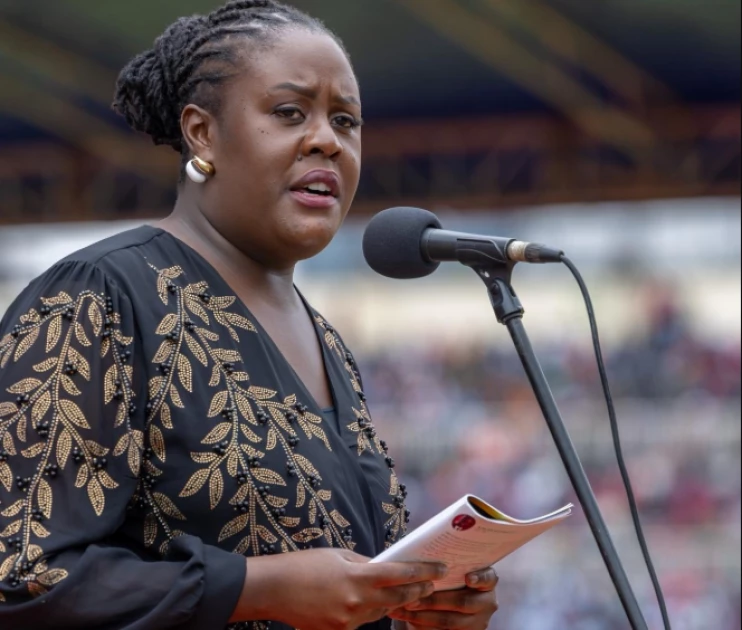
When Winnie Odinga declared, “Oburu is my uncle, I would never be in an opposing faction,” she wasn’t just making a personal statement—she was articulating a fundamental rule of Kenyan politics: family loyalty precedes political plurality. This phenomenon isn’t unique to the Odingas; it’s woven into the fabric of Kenya’s democracy, from the Kenyattas and Moïs to emerging dynasties across counties.
But as the 2027 elections loom, a critical question arises: Are these political families preserving stability and legacy, or are they becoming an obstacle to democratic renewal, innovation, and inclusivity?
1. The Landscape: Kenya’s Major Political Dynasties
National Dynasties:
The Kenyattas: Jomo → Uhuru → Jomo Jr. (rising). Span: 60+ years.
The Odingas: Jaramogi → Raila → Oburu & Winnie (rising). Span: 60+ years.
The Moïs: Daniel → Gideon → Raymond (active). Span: 40+ years.
The Mudavadis: Musalia → Moses (nephew, rising).
County-Level Dynasties:
Western: Wetang’ulas (Bungoma), Oparanya (Kakamega).
Coast: Mvurya (Kwale), Kingi (Kilifi).
Central: Wa Iria (Murang’a), Wamatangi (Kiambu).
Rift Valley: Tuwei (Uasin Gishu), Bii (Nakuru).
Pattern: A founding political figure creates a brand, followed by relatives inheriting voter loyalty, networks, and financial capital.
2. The Case FOR Dynasties: Stability, Brand Trust & Continuity
A. Voter Psychology: The “Known Devil”
In uncertain political climates, voters gravitate toward familiar names they associate with past benefits or shared identity.
Example: Luo Nyanza’s unwavering support for the Odingas is tied to historical struggle and ethnic solidarity.
B. Institutional Memory & Networks
Political families maintain long-term relationships with local structures (elders, churches, business groups).
Example: The Kenyatta family’s deep ties with Central Kenya’s agricultural and business elites.
C. Financial & Campaign Infrastructure
Dynasties inherit funding networks, campaign assets, and media alliances.
Start-up cost for an outsider is prohibitively high.
D. Symbolic Continuity
They represent unfinished liberation legacies (Odingas) or development continuity (Kenyattas).
3. The Case AGAINST Dynasties: Stagnation, Exclusion & Entitlement
A. Blocked Pipeline for New Talent
Competent outsiders hit a “name ceiling”—they can be advisors, not principals.
Example: Many bright ODM youths will never lead because they aren’t “Odingas.”
B. Policy Stagnation & Lack of Innovation
Dynasties often protect the status quo that benefited them.
Example: Land reforms stall because elite families (across dynasties) own large tracts.
C. Blurred Lines Between Public Office & Family Enterprise
State resources risk being used to feed the family political machine.
Example: County governments where the governor’s spouse controls procurement.
D. Voter Disempowerment
Elections become referendums on families, not debates on issues.
Emotional voting (“Our son must win”) overrides performance assessment.
4. The Dynastic “Playbook”: How They Maintain Power
Strategy How It Works Example
Early Mentoring Children attend rallies young; learn the craft Uhuru Kenyatta as Kanu youth winger
Strategic Marriages Marry into other political families Political unions in Western Kenya
Control of Party Machinery Family members hold secretary/treasurer roles ODM’s top organs have Odinga relatives
Philanthropy as Campaign Family foundations build loyalty Mama Ngina Kenyatta’s harambee presence
Narrative Control Frame critics as “attacking our family” Winnie’s statement reframing dissent as disloyalty
5. Public Perception: What Kenyans Really Think
Youth (18–35):
Mixed feelings. Some admire the access and influence of political heirs; others resent the closed system.
Digital dissent: Memes and tweets mock “political inheritance,” but election day behavior often contradicts online sentiment.
Rural vs. Urban:
Rural areas: Stronger dynastic loyalty due to patronage networks and historical ties.
Urban centers: More critical, but dynasties still win due to name recognition and resources.
Data Point:
A 2024 TIFA poll showed 58% of Kenyans believe “political families have too much control,” yet 62% would vote for a known dynasty over an unknown newcomer in their constituency.
6. Global Perspective: Dynasties vs. Meritocracies
Country Dynastic Tendency Impact
USA Moderate (Bushes, Clintons) Weakened over time by strong primaries
India High (Gandhis, Yadavs) Mixed—some dynasts reform, others stagnate
Philippines Extreme (Marcos, Duterte) Associated with corruption & violence
Singapore Low Meritocratic system limits family succession
Kenya High Concentrates power, slows democratic maturation
7. Breaking the Cycle: Is Change Possible?
A. Structural Reforms:
Term Limits for Political Families: Cap how many members from one family can hold office in sequence.
Public Campaign Financing: Level the playing field so new faces can compete.
Stronger Political Parties Act: Mandate internal democracy, not family coronations.
B. Cultural Shift:
Media Responsibility: Stop referring to candidates as “son/daughter of…” as primary identity.
Civic Education: Teach voters to assess platforms over pedigrees.
Celebrate Meritocratic Stories: Highlight leaders who rose without family ties.
C. Within Dynasties Themselves:
The “Winnie Odinga Test”: Will she use her platform to open doors for others or guard the gate for family?
Adopt a “Talent Charter”: Commit to mentoring and promoting non-family talents within their parties.
8. The 2027 Litmus Test
The next election will reveal:
Can a non-dynasty candidate win a governor/senator seat against a family heir?
Will parties like ODM/UDA nominate non-family candidates for top positions?
Will youth vote for platforms or fall back on familiar names?
Conclusion: Beyond Bloodlines, Toward Ideas
Political dynasties are not inherently evil—they emerge from historical context, voter behavior, and economic realities. However, when democracy becomes a family heirloom, the nation loses out on fresh ideas, accountable leadership, and genuine competition.
Winnie Odinga’s statement reminds us that in Kenya, family is political infrastructure. The challenge for Kenya’s democracy is to honor legacy without being imprisoned by it—to build a system where a brilliant young leader from Majengo can compete fairly with a political heir from Karen.
As we look to 2027, let’s measure candidates not by whose child they are, but by what ideas they carry.
Your Voice:
Do you support political families, or do you believe they hinder democracy? Should there be legal limits on dynastic politics?
Share your candid thoughts below.