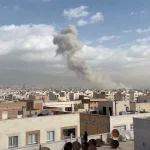

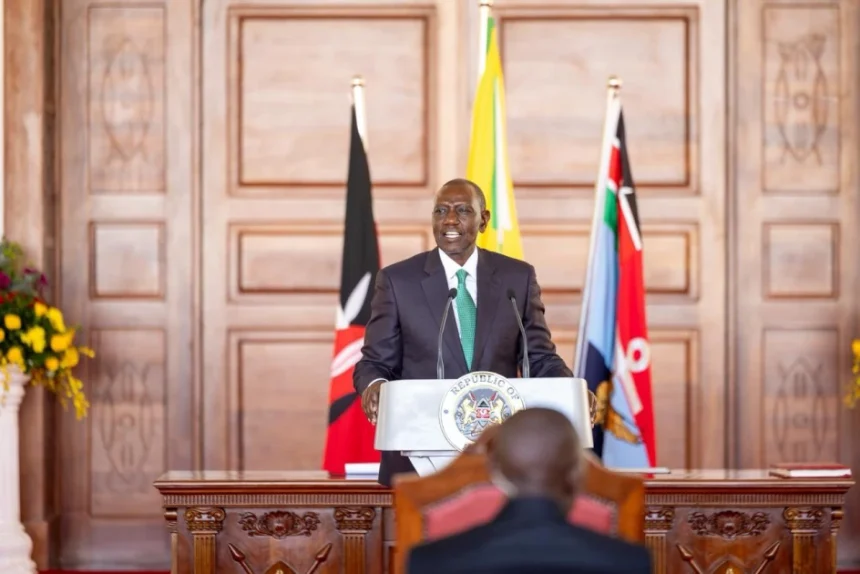
While the missiles are flying over the Persian Gulf, the fallout is landing squarely on the Kenyan economy. On Monday, March 2, 2026, as President William Ruto issued a high-level condemnation of the strikes on Gulf nations, a secondary alarm began ringing at the National Treasury: The “War Tax” has arrived.
This isn’t just a political crisis; it’s a supply-chain earthquake. Here is how the regionalization of the Iran-Israel-US war is about to reshape your monthly budget.
1. The $100 Barrel: The Return of Pump Panic
Kenya is a net importer of refined petroleum, and most of it comes from the very countries now being drawn into the crossfire—Saudi Arabia, the UAE, and Kuwait.
The Hormuz Chokehold: Roughly 20% of the world’s oil passes through the Strait of Hormuz. With Iran threatening a total closure in retaliation for the death of Ayatollah Khamenei, Brent Crude has already spiked toward $100 per barrel.
Local Impact: Energy analysts warn that if the Strait remains contested for more than 72 hours, the Energy and Petroleum Regulatory Authority (EPRA) may be forced into an emergency mid-month price hike. We aren’t just looking at more expensive fuel; we are looking at a surge in the cost of electricity and public transport.
2. The “Tea-Blockade”: Exports in Limbo
Kenya’s tea and horticulture sectors were already struggling with global logistics, but the weekend’s events have turned a hurdle into a wall.
The Gulf Corridor: The UAE and Qatar are critical transit hubs for Kenyan premium tea destined for Western markets and the Middle East itself.
KQ and Freight: With Kenya Airways suspending flights to Dubai and Sharjah, and major shipping lines rerouting around the Cape of Good Hope to avoid missile zones, the “extra week” of travel is killing the freshness of Kenyan meat and flower exports.
The Cost: Trade CS Lee Kinyanjui warned on Saturday that “disruptions to trade can have far-reaching consequences in faraway lands.” For the Kenyan farmer, this means lower prices at the auction and higher storage costs.
3. Remittance Reliability: The Diaspora Purse
The 416,000 Kenyans in the Middle East aren’t just workers; they are an economic lifeline. Remittances from the Gulf account for a significant portion of Kenya’s foreign exchange reserves.
The Risk: As PS Roseline Njogu urges Kenyans to “shelter in place,” the economic activity of the diaspora is slowing down. If the UAE or Qatar faces sustained strikes, the flow of dollars back to Kenya could stutter, putting further pressure on the Kenyan Shilling.
4. Inflation: The Domino Effect
The “War Tax” doesn’t stop at the pump. When fuel goes up, Unga (Maize Flour) follows.
Transport Logistics: The cost of moving a bag of maize from the North Rift to Nairobi depends entirely on diesel.
The Forecast: Economists at the Central Bank of Kenya (CBK) are reportedly recalibrating their 2026 inflation targets. A “Scenario 3” escalation—a full closure of the Strait—could tip the Kenyan economy into a brief but painful recession by the second quarter.