

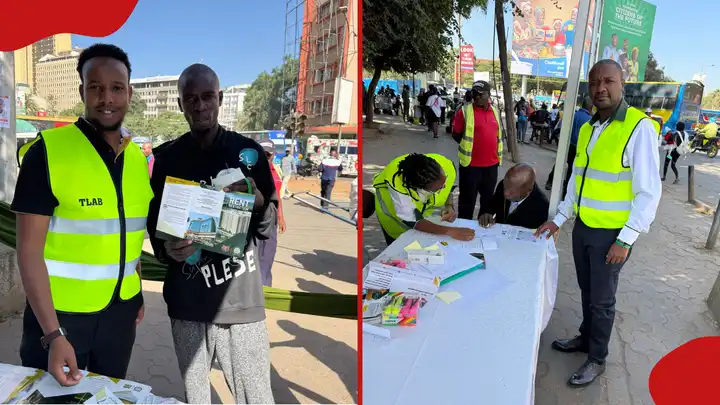
The engagement of over 1,000 clients in Nairobi was not just about clearing backlogs; it was a strategic “listening tour” that highlighted the urgent need for a more responsive legal framework in the transport industry. As of February 1, 2026, the TLAB is no longer just an appeals office—it is becoming a cornerstone of the National Transport Masterplan.
1. Confronting the “Mob Justice” Crisis
A recurring theme throughout the Judiciary Dialogue Day was the alarming rise in vehicle arson.
The Context: Just yesterday, on January 31, the Federation of Public Transport Sector narrowly averted a nationwide strike after crisis talks regarding the torching of PSVs following road accidents.
The TLAB Response: The Board used the dialogue to emphasize that insurance and licensing disputes must be handled through legal tribunals rather than the “court of public opinion.” By speeding up the appeals process to under 30 days, the TLAB aims to restore investor confidence and prove that the law works faster than the mob.
2. Preparing for the “e-Mobility” Era
With President William Ruto scheduled to launch the National Electric Mobility Policy on February 3, 2026, the TLAB is bracing for a new wave of regulatory appeals.
New Regulations: The transition to electric buses and motorbikes will bring new licensing standards for charging infrastructure and battery safety.
Proactive Justice: During the dialogue, the TLAB briefed stakeholders on their readiness to adjudicate disputes arising from this green transition, ensuring that “pioneer” electric transport companies are not unfairly penalized by outdated NTSA codes.
3. The “Bonga na Judiciary” Legacy
Chief Justice Martha Koome’s “Bonga na Judiciary” (Talk to the Judiciary) initiative has fundamentally changed the TLAB’s relationship with the public.
Transparency: For the first time, transport operators saw the “faces” behind the rulings.
Accessibility: The Board confirmed that it will continue to hold “circuits” in regional hubs like Mombasa, Kisumu, and Nakuru throughout 2026, bringing the same level of engagement seen in Nairobi to the rest of the country.