
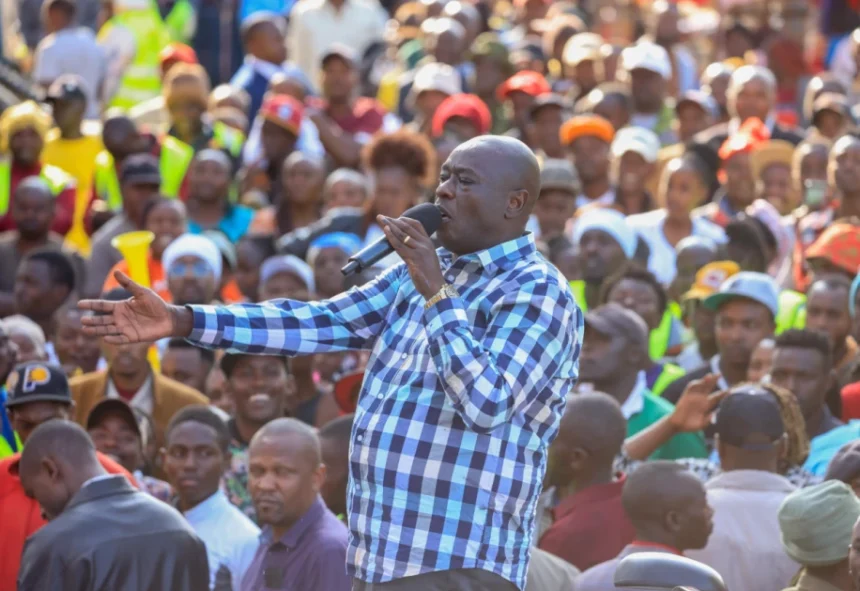
The current drought in the North is no longer just a weather event; it is a full-blown survival crisis. While the rest of the country watches the political chess match in Nairobi, regions like Mandera, Wajir, and Garissa are witnessing the literal death of their future. When former DP Rigathi Gachagua stands before the microphones and asks why Sh200 billion has not bought water for the thirsty, he is echoing a question being asked in every emaciated household from Lafey to Banisa.
1. The Staggering Numbers (January 2026 Update)
The data emerging from the first month of 2026 is nothing short of apocalyptic for pastoralist communities:
-
The Livestock Toll: In Mandera County alone, over 25,000 animals have been confirmed dead since the start of the year. This isn’t just property; for a pastoralist, this is their bank account, their children’s school fees, and their daily meal.
-
Beyond Resilience: The report of dying camels is the most chilling. A camel can survive up to two weeks without water; if they are dropping, it means the natural vegetation and deep-well water sources have been exhausted for over a month.
-
Malnutrition Spike: Humanitarian agencies report that 784,000 children across the ASAL (Arid and Semi-Arid Lands) regions are now suffering from acute malnutrition.
2. The Sh200 Billion Question: Where is the Impact?
One of the most explosive aspects of Gachagua’s recent advocacy is his focus on historical funding. He has challenged the government and regional leaders to account for:
-
Ksh 128.6 Billion in Exchequer and Treasury allocations.
-
Ksh 61.7 Billion from international donors and NGOs.
-
Ksh 10.6 Billion from the NG-CDF and Ksh 1.2 Billion from the Equalisation Fund.
The DCP leader argues that the persistence of “water trucking” as a primary solution in 2026 is an indictment of the billions spent. He is calling for a shift from “emergency band-aids” to permanent infrastructure like the River Dawa Project—a joint Kenya-Ethiopia venture that has stalled despite its potential to transform the region’s food security.
3. Why a “National Disaster” Declaration is Vital
Critics of Gachagua’s call ask: “What does a declaration change?” The answer is everything.
-
The Legal Unlock: A National Disaster declaration allows the government to bypass certain procurement laws to fast-track food and water supplies.
-
The Global Signal: International donors like the Red Cross and USAID often cannot release their highest-tier “Flash Appeal” funds without an official state declaration of a disaster.
-
Economic Buffering: It enables the Livestock Offtake Program, where the government buys emaciated cattle before they die, putting cash in the hands of herders while the meat can be used for relief food.