
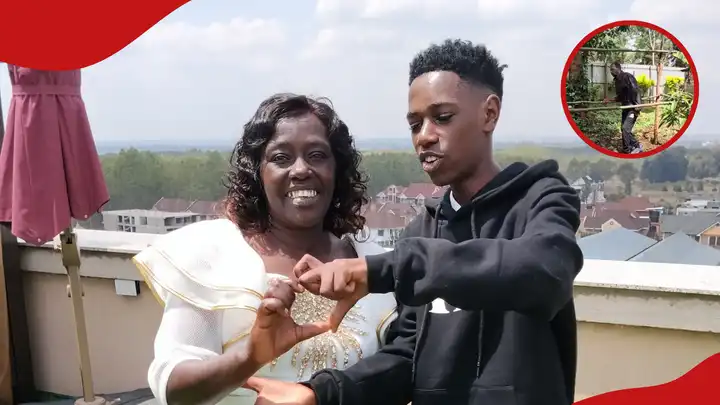
When Kaluma Boy’s video of his father walking went viral, the spotlight rightly shone on the triumphant patient. But in the supportive hands steadying him and the encouraging voices just outside the frame, another profound story was unfolding—one of silent sacrifice, relentless care, and unconditional love. For every celebrated step forward in a recovery journey, there are a thousand unseen ones taken by the caregiver. This blog shifts the focus to honor the unsung marathoners of love: the family members whose own lives are reshaped around the clock to nurture healing, and whose strength makes every “small” victory possible.
Section 1: Decoding the Support System in the Frame
A closer look at the viral video reveals the caregiver’s art.
The Hands That Steady: The family members in the video aren’t just standing there; they are active participants in a delicate dance. Their grip is firm yet gentle, providing just enough support to enable independence without fostering dependence. They are physically sharing the burden of each step.
The Eyes That Watch: Their gaze is not passive. It’s a hyper-vigilant scan for signs of fatigue, imbalance, or distress. They are reading his body language, anticipating needs before they are voiced, and ready to intervene in a millisecond to prevent a fall.
The Voices That Encourage: The words we hear—the gentle “Yes, like that!” or “You’ve got this!”—are the tip of the iceberg. This is the language of patient coaching, a daily practice of using tone and affirmation to build confidence and drown out the voice of frustration or despair.
Section 2: The Caregiver’s Reality: A Life Put on Pause
Behind the 15-second clip lies a reality few fully see.
The 24/7 Shift: Caregiving is not a 9-to-5 job. It is sleep interrupted by medication alarms, social plans canceled, careers put on hold, and personal needs relegated to the bottom of the list. The caregiver’s world shrinks to the walls of the home and the rhythm of the patient’s needs.
The Emotional Whiplash: They ride a rollercoaster of hope and fear. A good day brings immense relief; a setback can feel devastating. They must absorb the patient’s frustration and pain while suppressing their own exhaustion and worry, presenting a constant face of optimism.
The Invisible Labor: It’s the endless logistics—managing doctor appointments, battling insurance, preparing special meals, maintaining medical equipment, and managing the household—all while being the primary emotional anchor.
Section 3: “Keep Going” – A Mantra for the Caregiver, Too
Kaluma Boy’s caption resonates just as deeply for the one walking beside.
Their Own Marathon: While the patient’s progress is measured in steps, the caregiver’s is measured in patience, resilience, and selflessness. Their “Keep Going” is about finding the strength to get up for one more day, to offer one more word of encouragement when they themselves are depleted.
The Need for Their Own Support: Caregiver burnout is real and dangerous. The viral celebration is a crucial reminder that these hidden heroes need their own support system—respite care, a listening ear, a hot meal delivered, a simple “How are you holding up?”
The Redefinition of Strength: In celebrating the father’s walk, we must also celebrate the quiet, ferocious strength of the family. It is a strength not of muscle, but of spirit; not of speed, but of steadfastness.
Section 4: A National Call to See and Support the Carers
Kaluma Boy’s video opens a door to a wider national conversation.
Beyond the Viral Moment: Let this inspire us to look out for the caregivers in our own circles. The neighbor caring for an aging parent, the friend with a chronically ill child, the sibling supporting a brother through addiction recovery. Their struggle is often invisible.
Practical Support Over Platitudes: Instead of just saying “Be strong,” we can offer: “I’ll sit with them for two hours so you can sleep,” “I’ve dropped off groceries,” or “I’m here to listen anytime.”
Policy & Community Awareness: This highlights the need for stronger public support systems, affordable respite care services, and mental health resources specifically for caregivers in Kenya, who currently bear an immense societal burden almost entirely alone.
Conclusion: The Greatest Love is Often a Supporting Role
The magic of Kaluma Boy’s video isn’t just in the steps taken, but in the love that made those steps possible. It is a tribute to the father’s will and the family’s devotion. In the grand story of recovery, the patient is the protagonist, but the caregiver is the essential, heroic co-author.