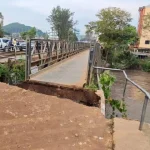


Kenya is mourning the loss of at least 28 lives following devastating floods that swept through several regions after days of relentless heavy rainfall. The disaster has left homes submerged, roads destroyed, and thousands of residents stranded.
Emergency responders have been working around the clock to rescue victims trapped by the fast-rising floodwaters.
However, the Kenya Red Cross Society has admitted that the scale of the flooding caught rescue teams off guard, exposing the challenges emergency responders faced in the early hours of the crisis.
As rescue efforts continue, authorities warn that the situation could worsen if the heavy rains persist.
How the Floods Unfolded
The deadly floods were triggered by intense rainfall that fell across parts of Kenya, especially in Nairobi and nearby counties.
Within hours, rivers burst their banks while drainage systems in urban areas became overwhelmed.
The sudden rise in water levels caused flash floods that swept through residential neighborhoods and major highways, trapping motorists and flooding homes.
Several people reportedly lost their lives while attempting to cross flooded roads, while others drowned after their vehicles were submerged in deep water.
Lightning strikes and electrocution from exposed power lines also contributed to the rising death toll.
Red Cross: Emergency Teams Were Overwhelmed
In a rare admission, the Kenya Red Cross acknowledged that the sudden disaster overwhelmed rescue teams.
Officials explained that blocked roads, heavy traffic, and flooded streets slowed down emergency responders attempting to reach affected communities.
Some rescue teams reportedly struggled to navigate flooded areas where vehicles could not pass.
Despite the initial difficulties, the organization has since mobilized additional resources to support rescue efforts.
Specialized water rescue teams and boats have now been deployed to areas where floodwaters remain dangerously high.
Nairobi Residents Share Shocking Flood Scenes
Residents across Nairobi woke up to shocking scenes as floodwaters flooded roads and homes.
Videos circulating online showed vehicles floating in water and residents wading through waist-deep floods.
Some of the most affected areas included:
Embakasi
Pipeline
Kibra
Mukuru informal settlements
Mathare
Umoja
Ruai
Roysambu
In several neighborhoods, families were forced to flee their homes in the middle of the night as floodwaters quickly filled their houses.
Thousands Displaced by the Disaster
Apart from the fatalities, the floods have displaced thousands of families, leaving many without shelter or access to basic necessities.
Relief organizations have stepped in to provide emergency support to affected communities.
Humanitarian aid being distributed includes:
Emergency food supplies
Blankets and bedding
Clean water
Temporary shelter materials
Medical care for injured victims
Volunteers and rescue workers are also helping families evacuate from high-risk flood zones.
Government Activates Disaster Response
The Kenyan government has activated a multi-agency emergency response plan to deal with the growing crisis.
Rescue teams from various agencies are now working together to search for missing persons and assist residents trapped in flooded areas.
Authorities have also urged citizens living in flood-prone areas to move to safer locations until the rains subside.
Emergency hotlines have been set up to help residents report incidents and request assistance.
Experts Warn of More Flooding
Meteorologists have warned that the heavy rains affecting parts of Kenya may continue for several days.
Weather forecasts indicate that regions around Nairobi, including Kiambu, Machakos, and Kajiado, could experience additional rainfall.
If this happens, floodwaters could rise further, increasing the risk of more damage and possible casualties.
Residents have therefore been advised to remain vigilant and avoid traveling through flooded roads.
Growing Debate Over Flood Preparedness
The disaster has reignited public debate about flood preparedness and urban planning in Kenya.
Many experts argue that poor drainage systems, blocked waterways, and rapid urban development contribute to severe flooding during heavy rains.
In major cities like Nairobi, inadequate infrastructure often worsens the impact of extreme weather events.
Urban planners have long called for improved drainage systems and stronger disaster preparedness strategies to prevent similar tragedies in the future.
Final Thoughts
The floods currently affecting Kenya serve as a stark reminder of how vulnerable communities remain to extreme weather events.