
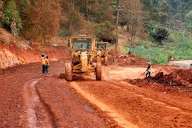
The Sh201 million default judgment that KeNHA is currently fighting is a mere drop in the bucket. Behind this single appeal lies a sprawling web of litigation involving sums exceeding Sh1.3 billion, a massive tax dispute with the Kenya Revenue Authority (KRA), and a project that has been dead in the water for nearly eight years.
1. The Arbitration Loophole
The core strategy for KeNHA in 2026 has been to move disputes from the High Court to Arbitration.
KeNHA’s Argument: They contend that the High Court lacks jurisdiction because the contracts (under FIDIC rules) mandate that all unresolved disputes go through an independent arbitrator.
The Reality: While the Court of Appeal has granted a stay on the Sh201 million, previous High Court rulings have slammed KeNHA for using arbitration as a “stalling tactic” to avoid paying certified certificates for works already done.
2. The Tax Triangle: KeNHA, SBI, and the KRA
Adding another layer of complexity is a massive tax preservation order. In late 2023, it was revealed that SBI International was embroiled in a tax dispute with the Kenya Revenue Authority over under-declared income tax and VAT totaling nearly Sh3.2 billion.
The Deadlock: KeNHA has previously used this as a reason not to pay the contractor, arguing that the funds were effectively “frozen” by KRA.
The Court’s Stance: Judges have consistently ruled that KeNHA cannot hide behind a third-party tax dispute to avoid its own statutory duty to pay court-decreed amounts.
3. The Bigger Picture: Pending Bills in 2026
This case highlights the massive fiscal pressure on the National Treasury. By February 2026, the government has moved to clear Sh175 billion in road sector pending bills through a bold “securitization” move of the Road Maintenance Levy Fund (RMLF).
The “Clearance” Phase: Treasury has front-funded the settlement of verified bills up to December 2024 using bridge financing from commercial banks like KCB and Absa.
The Problem: Disputed claims like the Sh201 million to SBI are often not classified as “verified,” meaning they continue to accrue interest at punitive rates (often 3% above the CBK base rate) while they sit in court.