
For many Kenyans, the primary barrier to buying an electric vehicle (EV) isn’t the price—it’s range anxiety. Where do I charge if I leave Nairobi? How long will it take? Rideence Africa is answering these questions with a massive infrastructure rollout and a strategic partnership with academia to ensure “Made in Kenya” EVs are backed by “Trained in Kenya” technicians.
1. The 100-Station Masterplan
Rideence currently operates 16 charging stations across strategic hubs including Nairobi, Kiambu, Machakos, Nakuru, Narok, Kajiado, and Kisii. However, the February 2026 expansion plan aims to quintuple this number.
The Goal: 100 charging stations nationwide by December 2026.
Fast-Charging Tech: The new stations will utilize 80kW DC fast-chargers, capable of powering a Henrey hatchback or Joylong matatu from 20% to 80% in just 15 to 30 minutes.
Strategic Corridors: A significant portion of the new stations will be placed along the “Northern Corridor” (Mombasa to Malaba) to support the new Joylong 16-seater electric vans as they enter the long-distance matatu sector.
2. Partnering with the University of Nairobi (UoN)
The transition to EVs requires a complete overhaul of traditional automotive engineering. To address this, Rideence is in advanced discussions with the University of Nairobi.
The Curriculum: The partnership aims to introduce specialized EV Technology Programs, focusing on battery management systems (BMS), high-voltage safety, and electric drivetrain maintenance.
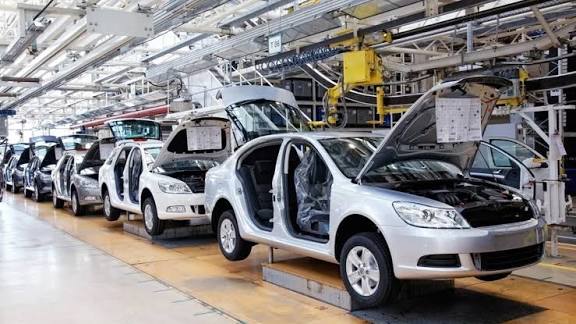
Internship to Employment: Students from UoN and other TVET institutions will have direct access to the Mombasa assembly plant and Rideence service centers, creating a pipeline of 3,000 skilled workers for the green economy.
3. The Math of the Matatu: Joylong vs. Diesel
The introduction of 20 Joylong high-roof electric matatus this February is a litmus test for the public transport industry.
The Cost Gap: While a diesel matatu costs roughly KSh 2,500–KSh 3,000 in fuel for a typical Nairobi circuit, the Joylong can cover the same distance for approximately KSh 600–KSh 800 in electricity.
Lower Maintenance: Without oil filters, spark plugs, or complex exhaust systems, SACCOs are projected to save up to 40% on annual maintenance costs.