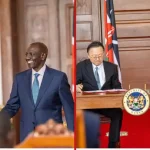


The Senate of Kenya has firmly defended the impeachment process of Deputy President Rigathi Gachagua, asserting that all constitutional procedures were meticulously followed in accordance with the 2010 Constitution. This significant political development has dominated national discourse, sparking debates among legal experts, political analysts, and Kenyans across the country.
Understanding the Constitutional Framework
The impeachment of a Deputy President in Kenya is not a simple administrative process. It is a constitutionally mandated procedure designed to ensure accountability while protecting the rights of the accused. According to Article 150 of the Kenyan Constitution, the National Assembly may impeach the Deputy President on grounds of gross violation of the Constitution, serious breach of the oath of office, or conduct that amounts to gross misconduct.
The Senate’s defense of this process centers on the meticulous adherence to constitutional requirements at every stage. The legislative body has emphasized that the impeachment motion followed all procedural requirements outlined in the Standing Orders of the National Assembly and subsequent Senate proceedings.
The Impeachment Motion Process
The impeachment of Deputy President Gachagua commenced when Members of Parliament presented a motion in the National Assembly, citing specific grounds for removal. The motion outlined allegations against the Deputy President, which formed the constitutional basis for the impeachment process.
Once presented, the National Assembly conducted a preliminary debate. During this critical phase, lawmakers were afforded the opportunity to present their positions on whether sufficient grounds existed to proceed with the impeachment. The Senate has emphasized that this stage was conducted transparently, with all members given equal opportunity to contribute to the discussion.
Following the National Assembly’s decision to impeach, the matter was forwarded to the Senate as per constitutional provisions. The upper chamber is tasked with hearing the evidence and determining whether the grounds for impeachment are substantial enough to warrant removal from office.
Senate Proceedings and Constitutional Compliance
The Senate has maintained that its proceedings adhered strictly to constitutional timelines and procedural requirements. According to the Constitution, once an impeachment motion is referred to the Senate, specific timelines must be observed to ensure due process.
The Kenyan Constitution stipulates that the Senate must serve the Deputy President with copies of the charges and provide reasonable notice of the hearing date. The Senate’s defense highlights that these notifications were provided in accordance with established timelines, ensuring the accused had adequate opportunity to prepare a defense.
Furthermore, the Senate has defended its decision-making process as being based solely on evidence presented during the proceedings. Senators maintained that their votes were cast based on the merits of the case, constitutional grounds, and their oaths of office.
Legal Arguments and Expert Analysis
Constitutional law experts have weighed in on the legitimacy of the Senate’s proceedings. Many legal scholars have noted that Kenya’s impeachment provisions are among the most rigorous in the African continent, requiring clear evidence of constitutional violations or serious misconduct.
The Senate’s defense points to the fact that impeachment in Kenya requires a two-thirds majority vote in the Senate—a high threshold designed to prevent politically motivated removals. This supermajority requirement ensures that impeachment cannot be pursued through mere partisan voting but requires substantial consensus.
Legal analysts have highlighted that the burden of proof in impeachment proceedings is substantial. The grounds for removal—gross violation of the Constitution, serious breach of the oath of office, or conduct amounting to gross misconduct—are not trivial accusations but require credible evidence.
Political Context and National Implications
The impeachment of Deputy President Gachagua occurred within a complex political environment. The Deputy President had been involved in public disagreements with President William Ruto, creating a tense political climate in the country.
Despite this political context, the Senate has maintained that its proceedings were purely constitutional in nature, divorced from political considerations. The legislative body emphasized that each Senator’s vote was an individual decision based on the merits of the evidence presented and their constitutional obligations.
The removal of a Deputy President carries significant implications for national governance. It raises questions about executive stability, succession planning, and the balance of power within the government. The Senate’s defense of the constitutionality of its actions reflects the institution’s commitment to upholding the rule of law during politically sensitive times.
Procedural Safeguards and Due Process
Throughout its defense of the impeachment process, the Senate has emphasized the numerous procedural safeguards incorporated into Kenya’s impeachment mechanism. These safeguards are designed to balance accountability with fairness.
First, the Constitution requires that grounds for impeachment be clearly defined and serious in nature. Trivial or politically motivated accusations do not meet the constitutional threshold for removal.
Second, the Deputy President has the right to a hearing and the opportunity to present a defense. The Senate has noted that these rights were afforded to Deputy President Gachagua during the proceedings.
Third, the two-thirds majority requirement creates a high bar for removal, preventing simple partisan majorities from removing government officials. This requirement reflects the intention of Kenya’s constitutional framers to prevent arbitrary removals from office.
International Perspectives on Kenya’s Impeachment Process
Kenya’s impeachment mechanism has drawn attention from international observers and constitutional law specialists. Many have commended the Kenyan Constitution for incorporating robust safeguards against both arbitrary government action and hasty removals from office.
International legal bodies have recognized that Kenya’s impeachment provisions align with global best practices in constitutional democracy. The transparent nature of the proceedings and the high evidentiary threshold for removal have been noted as strengths of the Kenyan system.
Public Discourse and National Conversation
The Gachagua impeachment has sparked extensive public debate across Kenya. Citizens, civil society organizations, and media outlets have engaged in discussions about the constitutional process, governance, and accountability.
The Senate’s defense of the constitutionality of its actions has contributed to public understanding of the impeachment mechanism. By transparently explaining the procedures followed and the constitutional grounds for removal, the Senate has helped inform public discourse on this critical issue.
Lessons for Constitutional Governance
The Gachagua impeachment case offers important lessons for constitutional governance in Kenya and potentially for other democracies. It demonstrates that even in politically charged circumstances, constitutional institutions can function with integrity and adherence to procedural requirements.
The case highlights the importance of independent legislative bodies capable of making difficult decisions based on constitutional provisions rather than political pressure. The Senate’s role in this process—serving as both judge and decision-maker in impeachment proceedings—requires careful adherence to fairness principles.
Moving Forward: Implications for Governance
Following the impeachment proceedings, Kenya’s governance structure underwent adjustment. The constitutional process ensured an orderly transition of responsibilities and maintained institutional continuity.
The successful completion of the impeachment process, conducted according to constitutional procedures, reinforced the rule of law in Kenya. It demonstrated that constitutional mechanisms can address serious governance concerns while maintaining respect for democratic procedures.
Conclusion
The Senate’s defense of the Gachagua impeachment process as constitutional reflects the institution’s commitment to upholding Kenya’s constitutional framework. The proceedings adhered to the stringent requirements outlined in the 2010 Constitution, including the two-thirds majority requirement, procedural safeguards, and opportunities for the accused to present a defense.
While the impeachment occurred in a politically complex environment, the Senate has maintained that its actions were guided by constitutional obligations rather than political considerations. The case demonstrates that Kenya’s constitutional mechanisms, despite their rigorous nature, can function effectively to address accountability concerns.
As Kenya continues to develop its democratic institutions, the Gachagua impeachment serves as a significant reference point for how constitutional procedures can be followed even in politically sensitive circumstances. The outcome reinforces the principle that in constitutional democracies, no one—regardless of political position—is above the law or exempt from constitutional accountability.
The Senate’s transparent defense of the impeachment process contributes to public confidence in Kenya’s institutions and the rule of law, essential foundations for a functioning democracy.