

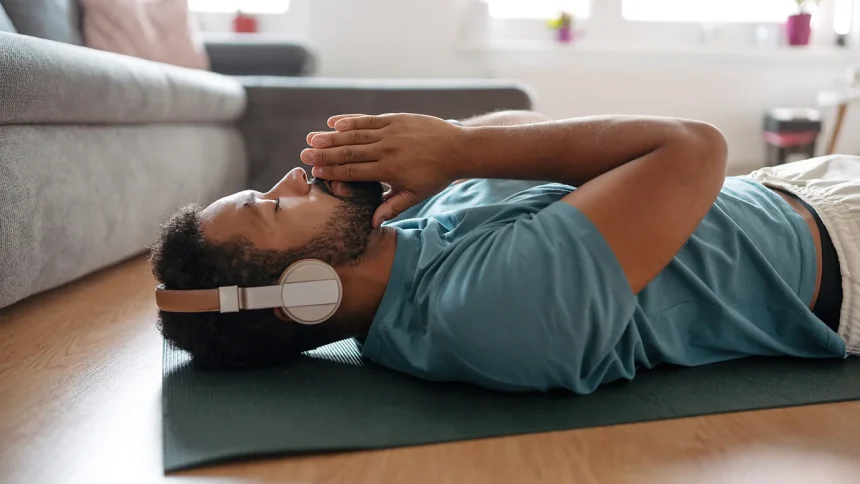
In the fast-paced world of 2026, where digital notifications, geopolitical shifts, and economic pressures demand our constant attention, we often forget the one biological function that keeps us anchored: our breath. On average, a human takes about 20,000 breaths per day. Yet, for the majority of us, these breaths are shallow, rapid, and restricted to the upper chest—a pattern that signals “danger” to the brain.
The way you breathe isn’t just a passive process; it is a direct line to your nervous system. By consciously changing your breathing patterns, you can manually override your “fight or flight” response and enter a state of “rest and digest.” This shift has profound, lasting impacts on everything from your blood pressure and heart rate to your immune system and cognitive clarity.
Below, we explore five transformative breathing exercises that can serve as your personal toolkit for a healthier, more balanced life.
1. Diaphragmatic Breathing: The Foundation of Vitality
Often called “Belly Breathing,” diaphragmatic breathing is the natural way humans are meant to breathe. If you watch a sleeping infant, you’ll see their belly rise and fall, not their chest. Over time, due to stress and poor posture, many adults become “chest breathers.”
How to Practice:
Lie on your back or sit upright in a comfortable chair.
Place one hand on your upper chest and the other just below your rib cage.
Inhale slowly through your nose. Aim to feel the hand on your stomach rise while the hand on your chest remains relatively still.
Exhale through pursed lips, feeling the stomach hand fall inward.
The Health Impact:
This technique strengthens the diaphragm muscle and increases the efficiency of oxygen exchange. By engaging the lower lobes of the lungs, where the most blood flow occurs, you ensure that your body is oxygenating its tissues with minimal effort. It is also a primary way to stimulate the vagus nerve, which is responsible for calming the body after a stressful event.
2. Box Breathing: The Navy SEAL Standard for Mental Toughness
If you have ever felt your heart racing before a presentation or during a stressful news cycle, Box Breathing (also known as Square Breathing) is your best defense. This technique is utilized by elite performers, including Navy SEALs and frontline medical workers, to maintain focus and composure in high-stakes environments.
How to Practice:
Inhale through your nose for a count of 4.
Hold that breath for a count of 4.
Exhale slowly through your mouth for a count of 4.
Hold your lungs empty for a count of 4.
Repeat this “square” cycle for four rounds.
The Health Impact:
Box breathing is remarkably effective for “resetting” the autonomic nervous system. It forces your brain to focus on the count, which interrupts the loop of anxious thoughts. Physically, it helps regulate blood pressure and can provide an immediate sense of calm by balancing the levels of carbon dioxide and oxygen in the blood.
3. The 4-7-8 Technique: Nature’s Natural Tranquilizer
Developed by Dr. Andrew Weil, the 4-7-8 breathing method is designed specifically to reduce anxiety and assist with insomnia. It is based on an ancient yogic practice called Pranayama, which emphasizes the “retention” of breath to calm the mind.
How to Practice:
Place the tip of your tongue against the ridge of tissue just behind your upper front teeth.
Exhale completely through your mouth, making a “whoosh” sound.
Inhale quietly through your nose for a count of 4.
Hold your breath for a count of 7.
Exhale forcefully through your mouth for a count of 8.
The Health Impact:
The 7-second hold is the secret to this exercise. It allows oxygen to saturate the bloodstream more effectively, while the long 8-second exhale ensures that you are expelling as much stale air and carbon dioxide as possible. Many practitioners find that doing four cycles of 4-7-8 breathing right before bed helps them drift into a deep sleep significantly faster.
4. Alternate Nostril Breathing: Balancing the Brain
In many Eastern traditions, it is believed that the left and right nostrils correspond to different energies. Modern science has found some truth in this, noting that our nostrils take turns being “dominant” throughout the day, influencing our brain’s hemispheric activity.
How to Practice:
Sit in a comfortable, upright position.
Use your right thumb to close your right nostril and inhale deeply through the left.
At the peak of the inhale, close the left nostril with your ring finger and release the right.
Exhale through the right nostril.
Inhale through the right, then close it and exhale through the left.
The Health Impact:
This exercise is excellent for improving cardiovascular function and respiratory endurance. Studies have shown that alternate nostril breathing can lower the heart rate and reduce perceived stress levels within just five minutes of practice. It is particularly useful when you feel “scatterbrained” and need to integrate logic (left brain) with creativity (right brain).
5. Pursed Lip Breathing: Boosting Lung Efficiency
This technique is often taught in pulmonary rehabilitation, but it is equally beneficial for hikers, runners, or anyone living in a high-altitude or high-pollution environment. It is the simplest way to control the pace of your breath.
How to Practice:
Inhale slowly through your nostrils for 2 counts.
Pucker your lips as if you were going to blow out a candle or whistle.
Exhale very slowly through your pursed lips for 4 counts (double the inhale).
The Health Impact:
Pursed lip breathing creates “back pressure” in the airways, which helps keep them open longer. This allows the lungs to expel more trapped air and makes it easier for the lungs to function. For those living in urban centers with fluctuating air quality, this technique helps ensure that you are getting the most out of every breath without straining the respiratory system.
The Long-Term Rewards: Why Consistency Matters
The benefits of breathing exercises are cumulative. While a single session of Box Breathing can lower your heart rate in the moment, the real magic happens when these techniques become a “habitual response” to stress.
Benefits of a Long-Term Practice Include:
Reduced Inflammation: Deep breathing encourages lymphatic drainage and reduces the oxidative stress that leads to chronic inflammation.
Improved Digestion: By activating the parasympathetic nervous system, you improve the blood flow to the gut, which can alleviate symptoms of IBS and bloating.
Enhanced Immunity: Increased oxygenation supports the production and movement of white blood cells.
Emotional Regulation: You gain a “buffer” between a stressful event and your reaction to it, leading to better relationships and professional performance.
Conclusion: Take a Moment for Yourself
In a year as busy and transformative as 2026, your breath is the one thing you can always control. Whether you are sitting in a traffic jam in Nairobi, following the latest global news, or preparing for a big meeting, these five exercises offer a path back to yourself.
Start today. Choose one technique—perhaps the Box Breathing or the Diaphragmatic Breath—and commit to five minutes. Your body, your brain, and your future self will thank you for it.
Action Plan for Your Site