

A Case That Has Captured National Attention
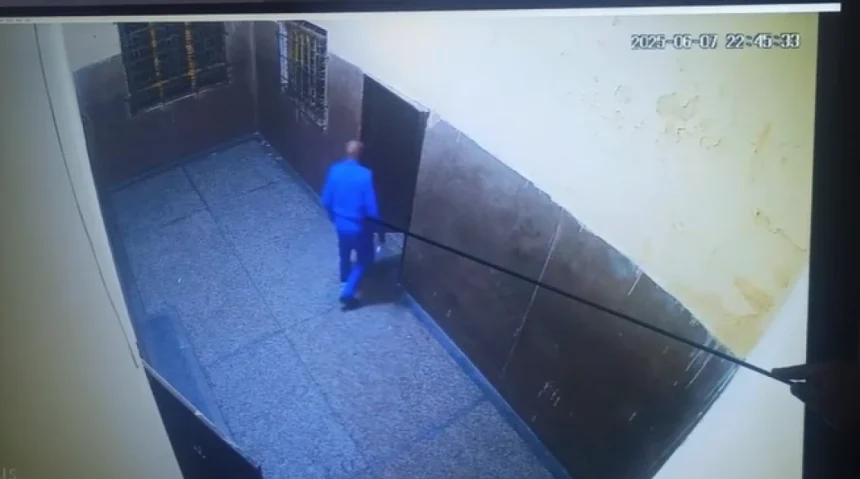
The death of Albert Omondi Ojwang while in police custody has become one of Kenya’s most closely followed criminal cases, drawing nationwide attention from legal experts, civil society organizations, political leaders, and the public. As the trial progresses, each court session is revealing new details about the events leading up to his death, with CCTV footage, witness testimony, and forensic evidence forming key pillars of the prosecution’s case.
Beyond the courtroom, the case has sparked an important national conversation about accountability within law enforcement, the treatment of detainees, and the need for greater transparency in police operations.
Why the Case Matters
Deaths in police custody often raise serious legal and human rights concerns because law enforcement agencies have a duty to protect individuals once they are detained. The Albert Ojwang case has renewed calls for reforms aimed at strengthening oversight, improving detention conditions, and ensuring that officers who violate the law are held accountable through due process.
Legal analysts say the outcome of this trial could influence future investigations involving alleged misconduct by public officials and reinforce the importance of preserving evidence such as CCTV recordings, custody registers, and forensic reports.
The Importance of Digital Evidence
One of the most significant developments in the trial has been the use of CCTV footage to help establish the timeline of events inside Nairobi Central Police Station.
Modern surveillance technology has become an essential investigative tool in criminal proceedings. When combined with witness statements and forensic analysis, video evidence can help investigators verify movements, identify individuals, and reconstruct events with greater accuracy.
However, courts generally assess CCTV evidence alongside all other available evidence rather than relying on it alone. Judges consider its authenticity, continuity, and relevance before determining its evidentiary value.
Balancing Accountability and Fair Trial Rights
While the case has generated widespread public interest, legal experts emphasize the importance of respecting the judicial process.
The prosecution bears the responsibility of proving its case beyond a reasonable doubt, while the accused have the constitutional right to defend themselves, challenge evidence, and receive a fair hearing. Public attention should not replace the court’s role in determining guilt or innocence based solely on admissible evidence.
This balance between accountability and due process remains a cornerstone of Kenya’s justice system.
Public Reaction Across Kenya
The trial has continued to attract significant public attention, with many Kenyans closely following courtroom proceedings through news reports and social media updates.
Human rights organizations have called for a transparent investigation and have urged authorities to strengthen mechanisms that protect people held in custody. Legal professionals have also highlighted the need for continued reforms that improve police oversight and reinforce public confidence in the justice system.
For many citizens, the trial represents more than a single criminal case—it has become a test of institutional accountability and the rule of law.
What to Expect Next
As hearings continue, the court is expected to hear testimony from additional prosecution witnesses, forensic specialists, and investigators. The defense will also present its case and challenge the evidence introduced by prosecutors.
Only after considering all evidence and legal submissions will the court deliver its judgment. Until then, all accused persons remain presumed innocent unless proven guilty in accordance with the law.
Final Thoughts
The Albert Ojwang murder trial is shaping into a landmark case that extends beyond the individuals involved. It has prompted important discussions about police accountability, human rights, transparency, and public trust in Kenya’s justice system.
As more evidence is presented, the proceedings will continue to be closely watched by Kenyans and the international community alike. Whatever the final verdict, the case is likely to influence future conversations about law enforcement reforms and the protection of constitutional rights.
Frequently Asked Questions (FAQ)
Who was Albert Ojwang?
Albert Omondi Ojwang was a Kenyan teacher and blogger whose death while in police custody triggered a criminal investigation and widespread public attention.
Why is the CCTV footage important?
The footage is being used by prosecutors to help establish the movements of officers and access to the detention area during the relevant period. It is one piece of evidence among several being considered by the court.
Has anyone been found guilty?
No. The trial is ongoing, and the court has not reached a verdict. All accused persons are presumed innocent until proven guilty.