

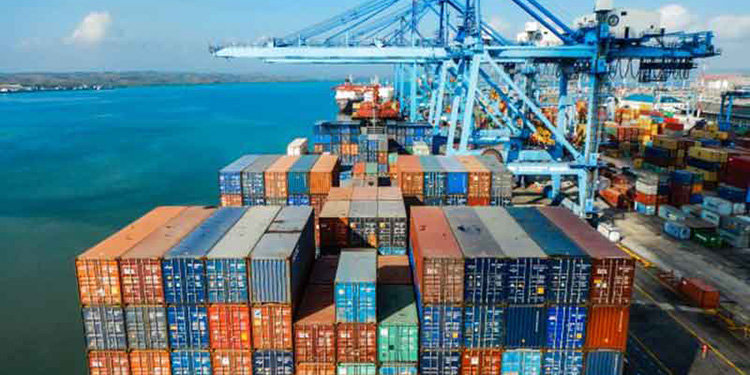
Freight and clearing agents operating at Kenya Ports Authority’s main port in Mombasa Port are reportedly refusing to handle cargo destined for South Sudan. The decision follows the imposition of a new tracking fee per container — a fee that agents claim was announced informally and without prior stakeholder consultation. As a result, consignments are now stuck at the port, raising fears of major trade disruption across East Africa.
⚠️ Impact on Trade and Businesses
-
Supply chain disruptions: Delays may affect importers, retailers, and distributors in South Sudan and neighboring markets — goods may be delayed by days or weeks.
-
Financial strain: Traders may incur extra storage costs, and shipping agents may face cash-flow problems. Costs may eventually be passed to consumers.
-
Reduced trade confidence: Uncertainty over port charges and logistics reliability can discourage future business or lead to reliance on alternate (possibly costlier) routes.
-
Regional ripple effect: Because Mombasa is a major transit hub for East and Central Africa, disruption may affect supply chains beyond South Sudan — including Uganda, DR Congo, Rwanda, and others.
🔄 What Stakeholders Should Do
-
Advocate for transparency: Freight firms and importers should demand official, documented communication on fees and terms from port authorities.
-
Explore alternate routes: In the short term, consider alternative logistics corridors or transit hubs to avoid delays.
-
Plan for buffer times: Businesses should adjust lead times and inventory strategies to manage potential volatility.
-
Engage in regional trade discussions: Governments and trade bodies should negotiate stable, predictable logistics frameworks to protect trade flows across borders.