

1. The Fifth Circuit’s “In-Person” Mandate
On Friday, May 1, 2026, a panel of the New Orleans-based Fifth Circuit Court of Appeals ruled in the case Louisiana v. FDA.
-
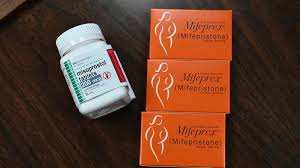
The Ruling: The court temporarily reinstated restrictions that were lifted by the FDA in 2021. It requires that mifepristone only be distributed in person at certified clinics, hospitals, or medical offices.
-
National Impact: This effectively bans the shipment of the pill via mail and restricts telehealth providers from sending prescriptions to pharmacies, a method currently used for over 25% of all U.S. abortions.
-
The Court’s Logic: The judges argued that the FDA’s rules making the pill easier to access “undermine” state laws in places like Louisiana, where abortion is banned.
2. The Emergency Appeal: “Immediate Chaos”
On Saturday, the two U.S. manufacturers of the drug—Danco Laboratories and GenBioPro—filed emergency motions with the Supreme Court.
-
The Argument: Danco stated that the ruling “injects immediate confusion and upheaval into highly time-sensitive medical decisions.” They argued that forcing patients and providers to guess what is allowed constitutes “irreparable harm.”
-
The Demand: The manufacturers are asking for an administrative stay (a temporary pause) on the Fifth Circuit’s ruling to allow telemedicine and mail-order services to continue while the broader legal battle plays out.
3. The Trump Administration’s Stance
The legal landscape is further complicated by the current administration’s actions.
-
The FDA Review: The Department of Justice (DOJ) has not actively defended the FDA’s prior evidence-based decisions. Instead, at the direction of the Trump administration, the FDA is conducting a new safety review of mifepristone, reportedly prompted by a report from a Project 2025 sponsor.
-
DOJ Argument: The DOJ argued the Louisiana lawsuit should be paused because the FDA is already conducting its own review, a stance reproductive rights groups call a “thinly veiled attempt” to justify further federal restrictions.