
The One-Two Punch
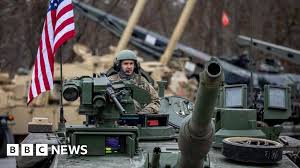
If the withdrawal of 5,000 U.S. troops was a warning shot, the new 25% tariff on European cars is a direct hit to Germany’s economic heart. Announced on the same day as the troop drawdown, the tariff hike isn’t just about trade—it’s about leverage. The White House is signaling that military protection and favorable trade terms are now part of the same “loyalty package.”
1. The Price of “Inappropriate” Comments
The Kiel Institute for the World Economy (IfW) estimates that this 25% tariff could cost Germany nearly 15 billion euros ($17.6 billion) in the short term.
-
The Reason: President Trump claims the EU has failed to comply with existing trade deals.
-
The Context: Many see this as a follow-up to the public spat between Trump and Chancellor Friedrich Merz over the Iran war.
-
The Result: German exports to the U.S., already down 9% this year, are expected to crater.
2. Why the Car Industry?
Germany is the engine of Europe, and the car industry is the engine of Germany. By targeting the automotive sector, Washington is hitting where it hurts most:
-
Jobs: Millions of German jobs are tied directly or indirectly to car manufacturing.
-
Supply Chains: It’s not just Germany; countries like Slovakia, Italy, and Sweden provide parts and labor for these vehicles, meaning the entire EU will feel the ripple effects.
-
US Consumers: While intended to punish Europe, American buyers will also see the price of a new Audi or BMW jump by thousands of dollars overnight.
3. The “Wait and See” Strategy
Berlin is trying to stay calm. Jens Suedekum, advisor to the German Finance Minister, suggested that the EU should “wait and see.” Why? Because Trump has a history of using “grandiose tariff threats” as a negotiating tactic. The hope in Brussels is that this is a “theatrical” move meant to force Europe into supporting the U.S. naval blockade in the Strait of Hormuz.
The Strategic Shift: From Security to “Surcharge”
The U.S. message is becoming clear: If you want American soldiers in your cities, you need to buy American goods and support American wars.