
Whenever political temperatures reach boiling point in Kenya, the public gaze inevitably turns toward the pulpit.
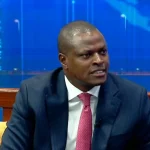
Addressing the 21st Plenary Assembly of the Association of Member Episcopal Conferences in Eastern Africa (AMECEA) at the Catholic University of Eastern Africa (CUEA) in Nairobi, Prime Cabinet Secretary Musalia Mudavadi made an explicit plea to regional bishops:
Standard Newspaper
“The church that I address today, you have a big footprint in the region. Open the back channels. It is a very powerful tool in diplomacy. Talk to the warring and conflicting parties. Get them to sit under one roof on the same table, and stop the violence. We rely on you, we depend on you, we cannot operate without you—we are conjoined at the hip.”
YouTube
— Musalia Mudavadi, Prime Cabinet Secretary
Mudavadi’s passionate call for quiet, back-channel mediation was not a political stunt—it was a recognition of a historical reality. In Kenya, when executive power and opposition agitation collide, the Catholic Church—alongside ecumenical partners like the National Council of Churches of Kenya (NCCK)—remains the most institutionalized, trusted, and structured mediating force in the nation’s history.
1. A Legacy of Moral Courage: The Church vs. State Power (1992–2002)
The Catholic Church’s role as a mediator did not happen by accident; it was forged in the crucible of Kenya’s fight for multiparty democracy.
During the single-party era under President Daniel arap Moi, Catholic bishops used Pastoral Letters as political broadsides against state excess, political assassinations, and electoral rigging.
The 1992 Multiparty Struggles: Led by fearless clergymen like Bishop Alexander Muge and Cardinal Maurice Otunga, the church stood as the primary moral voice demanding the repeal of Section 2A of the old Constitution.
The Ufungamano Initiative (1999–2001): When politicians attempted to hijack the constitutional review process, the Catholic Church co-led the “Ufungamano Initiative”—a faith-driven civil movement that forced the government to integrate citizens’ voices into the reform process.
[ The Evolution of Church Diplomacy ]
│
┌─────────────────────────────┼─────────────────────────────┐
▼ ▼ ▼
1990s: Moral Resistance 2008: Crisis Mediation 2026+: Preemptive Back-Channels
• Pastoral Letters • Inter-Religious Council • AMECEA framework
• Ufungamano Initiative • National Reconciliation • Youth anti-goonism programs
• Sanctuary for victims • Power-sharing framework • De-escalating 2027 tensions
2. Lessons from 2007/08: The Power—and Limits—of the Pulpit
The 2007/2008 post-election violence marked a historic inflection point for the clergy. In the early days of the crisis, even religious institutions felt the strain of ethnic division. However, as the country teetered on the brink of civil war, the church rapidly mobilized to restore order:
Humanitarian Shelters: Catholic parishes across the Rift Valley and Nyanza opened their doors to hundreds of thousands of Internally Displaced Persons (IDPs), offering physical protection when state security was stretched thin.
Framework for Mediation: The Kenya Conference of Catholic Bishops (KCCB) partnered with regional ecumenical bodies to lay the baseline groundwork before Koffi Annan’s Panel of Eminent African Personalities arrived.
Historic Crisis State/Political Position Church Intervention & Impact
1992 Clash Era State minimized tribal land clashes. Bishops documented state-sponsored violence in Pastoral Letters, forcing international scrutiny.
2007/08 Post-Poll Crisis Total breakdown in electoral dispute resolution. Provided sanctuary for IDPs; backed international mediation leading to the Grand Coalition.
2026/27 Pre-Election Tension Polarization over security, by-election goonism, and state integrity. Mudavadi’s Call: Deploy back-channel diplomacy to bring parties together before polls.
3. Why “Back-Channel Diplomacy” Works Where Public Debates Fail
In his address to the AMECEA assembly, Mudavadi highlighted a crucial element of international relations: quiet diplomacy.
YouTube
Public political rallies in Kenya are inherently performative. Politicians are bound by political optics; acknowledging compromise on a public podium is often perceived by supporters as weakness or betrayal.
Why the Catholic Church is uniquely positioned for back-channel mediation:
Unmatched Grassroots Reach: From rural outposts in Turkana to urban centers in Nairobi, Catholic dioceses maintain direct contact with local communities, providing raw, unvarnished intelligence on ground-level tensions.
Institutional Neutrality: Unlike political parties or temporary civil committees, the Catholic hierarchy possesses centuries of diplomatic experience through the Holy See’s global diplomatic network.
Safe Ground for Politicians: Closed-door meetings hosted by bishops allow government and opposition actors to drop political posturing, discuss technical electoral reforms, and negotiate compromises without public embarrassment.
4. The AMECEA Roadmap: Mentorship, Governance, and De-escalation
The 21st AMECEA Plenary Assembly—focused on youth mentorship, peacebuilding, and good governance—comes at a critical juncture.
Association of Member Episcopal Conferences in Eastern Africa
With regional crises devastating neighboring nations like Sudan, Mudavadi reminded delegates that Kenya’s stability is the economic anchor of Eastern Africa. By urging bishops to focus heavily on guiding unemployed youth away from political manipulation, the state is encouraging the church to tackle election violence at its source.
www.standardmedia.co.ke
[ Strategic Peacebuilding Architecture ]
┌────────────────────────────────────────────────────────────────────────┐
│ Bishops & Church Hierarchy │
│ (Quiet Back-Channel Mediation Between Political Elites) │
└───────────────────────────────────┬────────────────────────────────────┘
│
▼
┌────────────────────────────────────────────────────────────────────────┐
│ Parish & Clergy Level │
│ (Civic Education, Anti-Tribalism Sermons) │
└───────────────────────────────────┬────────────────────────────────────┘
│
▼
┌────────────────────────────────────────────────────────────────────────┐
│ Youth Movements │
│ (Mentorship, Economic Empowerment, Peace Champions) │
└────────────────────────────────────────────────────────────────────────┘
Conclusion
As Kenya moves closer to the 2027 General Election, the rhetoric surrounding political security and electoral integrity will only heighten. Prime Cabinet Secretary Musalia Mudavadi’s appeal to the Catholic Church at the 2026 AMECEA conference highlights a fundamental truth about Kenyan democracy: law and enforcement alone cannot guarantee peace. Lasting stability requires moral authority, quiet dialogue, and institutional trust—virtues that the church must once again mobilize to safeguard the nation.