

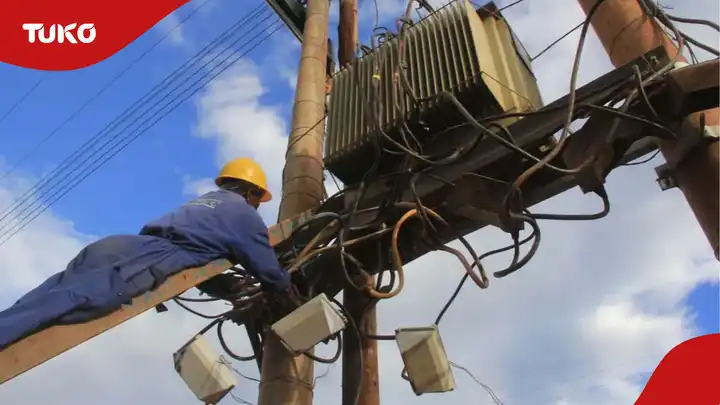
While scheduled Kenya Power (KPLC) maintenance blackouts on dates like August 11 serve routine upkeep, recurring grid interruptions carry significant financial costs for commercial and industrial operators across East Africa.
Safi Power
With commercial electricity tariffs hovering between KSh 22 and KSh 25 per kWh—amplified by peak-demand levies, fuel-cost adjustments, and forex surcharges—businesses are no longer treating power cuts as an unavoidable operational hazard. Instead, they are altering how energy is generated, bought, and consumed across the nation.
Safi Power
+ 1
1. The Cost of Downtime: Grid Tariffs vs. Captive Solar
For medium-to-large manufacturers, agricultural processors, and commercial real estate hubs, reliance on traditional grid power coupled with diesel generator failovers creates unsustainable overhead.
FINANCIAL DYNAMICS OF ENERGY SOURCES IN KENYA (2026)
┌─────────────────────────────────────────────────────────────────────────┐
│ GRID ELECTRICITY (KPLC) │
│ KSh 22.00 – KSh 25.00 / kWh | High forex & fuel levy vulnerability │
├─────────────────────────────────────────────────────────────────────────┤
│ DIESEL GENERATOR BACKUP │
│ KSh 38.00 – KSh 45.00 / kWh | High maintenance & carbon emissions │
├─────────────────────────────────────────────────────────────────────────┤
│ CAPTIVE COMMERCIAL SOLAR │
│ KSh 5.00 – KSh 8.00 / kWh (effective LCOE over system lifecycle) │
└─────────────────────────────────────────────────────────────────────────┘
By installing rooftop solar PV systems, commercial entities offset 50% to 80% of their daytime power demands, amortizing system setup costs within 3 to 5 years while securing lower operational energy expenses.
2. Regulatory Turning Point: Open Access & Net Metering
The energy landscape in Kenya is shifting due to two major regulatory frameworks overseen by the Energy and Petroleum Regulatory Authority (EPRA):
┌──────────────────────────────────────────┐
│ EPRA REGULATORY REFORM PILLARS │
└────────────────────┬─────────────────────┘
│
┌──────────────────────────────┴──────────────────────────────┐
▼ ▼
┌───────────────────────────────┐ ┌───────────────────────────────┐
│ NET METERING FRAMEWORK │ │ OPEN ACCESS MARKET RULES │
│ Captive system owners export │ │ Unbundles distribution wires; │
│ up to 1 MW surplus to KPLC’s │ │ large consumers buy direct │
│ grid for bill credits. │ │ from private solar/wind plants│
└───────────────────────────────┘ └───────────────────────────────┘
“The unbundling of traditional power distribution turns the national grid into a open transport highway. Major energy consumers are no longer restricted to a single utility provider.”
— Energy Regulatory & Market Specialist
Umeme Sense
3. Comparing Energy Procurement Strategies for Kenyan Businesses
Parameter Standard KPLC Grid Supply Captive Solar (PPA / Lease) Open Access Bulk Agreement
Primary Target Small & Medium Enterprises / Homes Commercial Facilities & Factories Heavy Industrial (>1 MVA Load)
Capital Requirement Zero upfront Low-to-zero via Power Purchase Agreements Contractual negotiation
Blackout Risk Exposed to feeder cuts & grid trips Mitigated during daytime operating hours Grid-dependent wheeling with backup
Rate Predictability Variable (subject to monthly fuel/forex adjustments) Fixed long-term cost profile Directly negotiated multi-year tariff
4. The Path Forward for Energy Resilience
As KPLC continues upgrading line infrastructure, commercial operators are taking concrete steps to ensure continuous power supply:
┌──────────────────────────────────────────┐
│ COMMERCIAL ENERGY TRANSITION STEPS │
└────────────────────┬─────────────────────┘
│
┌──────────────────────────────┼──────────────────────────────┐
▼ ▼ ▼
┌───────────────────────┐ ┌───────────────────────┐ ┌───────────────────────┐
│ LOAD AUDITS │ │ HYBRID STORAGE │ │ REGULATORY COMPLIANCE │
│ Deploy smart meters to│ │ Combine solar PV with │ │ File EPRA licenses and│
│ map 24-hour demand │ │ battery storage & auto│ │ net metering approvals│
│ baseline profiles │ │ generator transfers │ │ within 60-day windows │
└───────────────────────┘ └───────────────────────┘ └───────────────────────┘
Sub-Metering & Consumption Tracking: Modern industrial sites deploy smart sub-meters to track minute-by-minute load curves before sizing solar installations or negotiating bulk power agreements.
Hybrid Integration: Combining solar PV, lithium battery storage, and existing diesel generators creates an uninterrupted microgrid capable of riding out prolonged blackout windows.
EPRA Compliance: Ensuring all commercial installations over 1 MW adhere to grid connection codes and net metering regulations ensures legal compliance and seamless grid interactivity.
Explore related energy policy and technological insights:
Analyze EPRA’s 2024 Net Metering regulations and capacity limits
Compare On-Grid vs. Off-Grid solar storage economics in East Africa
