
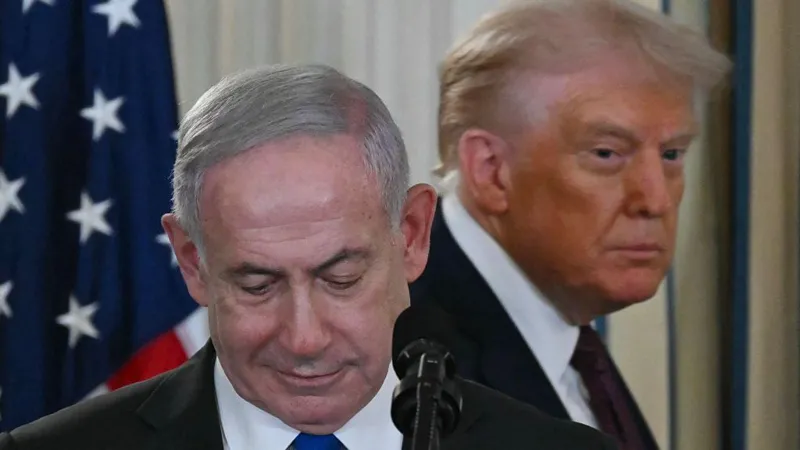
With the blunt exclamation, “Let the oil flow!”, US President Donald Trump signaled a massive shift in global geopolitics and economics. On Sunday evening, Washington and Tehran announced a preliminary Memorandum of Understanding (MOU) to end their intensive, 100-plus-day military conflict.
Al Jazeera
+ 1
The centerpiece of the 14-point framework, mediated by Pakistan and Qatar, is the immediate lifting of the US naval blockade and the guaranteed, toll-free reopening of the Strait of Hormuz.
PBS
As the official signing ceremony nears in Switzerland, the global energy sector is scrambling to assess the immediate and long-term impacts of the sudden cessation of hostilities on crude prices, shipping logistics, and the wider world economy.
The Trillion-Dollar Chokepoint
To understand the scale of this development, one must look at the geography of global energy transit. The Strait of Hormuz, a narrow waterway separating Iran from the Arabian Peninsula, is the world’s most critical oil chokepoint.
[Persian Gulf] —> [Strait of Hormuz] —> [Gulf of Oman / Global Markets]
|
(Choked off for 100+ Days)
During peak pre-war operations, more than 20% of the world’s total petroleum liquids consumption transits through this single corridor daily. When the conflict erupted in late February 2026, the complete closure of the Strait sent shockwaves through global supply chains, driving energy prices to multi-year highs and triggering severe inflationary fears across both Western and emerging economies.
The interim deal promises an end to this economic gridlock. By authorizing the removal of the United States Navy’s blockade of Iranian ports in exchange for Tehran relinquishing its aggressive grip on maritime traffic, the agreement removes the single largest risk premium hanging over the energy sector.
Atlantic Council
+ 1
How Oil Markets are Responding
As Asian and European trading desks opened on Monday morning following the announcement, crude oil futures reacted immediately. West Texas Intermediate (WTI) and Brent crude both experienced sharp downward pressure as algorithmic trading desks priced in the return of stable Middle Eastern supply.
However, energy analysts warn that a permanent drop in fuel prices at the pump will not happen overnight. Market stabilization hinges on two major variables:
The Threat of Latent Hazards: Even with a signed ceasefire, insurers and shipping conglomerates remain deeply cautious. The actual physical safety of transiting the Strait—accounting for sea mines, lingering drone threats, and increased military posturing—must be verified before commercial shipping traffic returns to normal volumes.
Atlantic Council
OPEC’s Strategic Play: The immediate price drops reflect market sentiment and expectations of oversupply. To truly stabilize fuel costs, the OPEC+ alliance will need to calibrate its production quotas later this year to absorb renewed Iranian volumes without crashing prices entirely.
Strategic Windfalls and Future Uncertainties
While the deal offers immediate economic relief, it has been structured as a transactional pause rather than a permanent resolution. Crucially, the current memorandum defers the highly controversial issue of Iran’s nuclear enrichment capabilities to a “second phase” of technical negotiations slated for later this year.
Atlantic Council
For the United States, the primary objective was a rapid economic de-escalation ahead of domestic midterm elections. Lowering inflation and reducing global energy volatility took precedence over a comprehensive, permanent regional settlement.
Conversely, for Tehran, the reopening of the Strait provides a vital economic lifeline. The deal reportedly paves the way for the relaxation of specific maritime sanctions, allowing Iran to begin drawing down its heavily stocked offshore storage facilities and injecting much-needed revenue into its battered domestic economy.
PBS
The Bottom Line
The reopening of the Strait of Hormuz marks a turning point for the global economy in 2026. While political friction remains intense among regional powers—most notably within a deeply isolated political establishment in Israel—the world’s financial markets are breathing a collective sigh of relief. For now, the focus shifts entirely to Switzerland, where the formal finalization of the pact will determine exactly how quickly global energy flows can return to normal.