
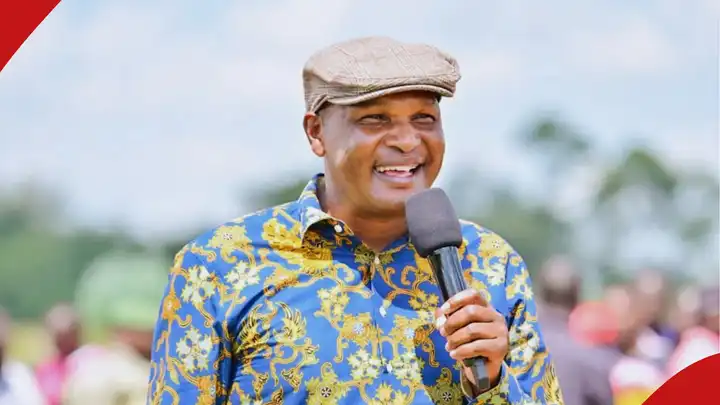
The viral video of an ecstatic, differently-abled Teso musician receiving a brand-new Toyota Probox from Farouk Kibet has captured the hearts of thousands across Kenya. On the surface, it is a classic feel-good story of a local entertainer receiving a life-changing reward from a powerful public figure.
However, beneath the celebratory social media posts and the catchy phrase “Tumefanya empowerment,” this gesture brings a much deeper conversation to the forefront: the structural challenges, economic vulnerability, and immense resilience of Persons with Disabilities (PWDs) within Kenya’s creative industry.
By transitioning this artist from a struggling performer relying on others for transport to a self-reliant mobile entrepreneur, the donation serves as a case study in what meaningful grassroots inclusivity looks like.
The Invisible Barrier: Mobility and the PWD Creative
For mainstream artists, moving between recording studios, corporate events, and grassroots political rallies is a routine logistical task. For performers with physical disabilities, however, mobility is often the single greatest barrier to career growth.
Public transport systems (Matatus) in rural counties are rarely optimized for PWD accessibility. This structural gap leads to a compounding set of economic disadvantages for talented creators:
Astronomical Transport Costs: PWD artists are often forced to hire private taxis or specialized transport just to carry themselves and their sound equipment to local gigs, wiping out their profit margins.
Missed Economic Opportunities: Due to rigid transport schedules or inaccessible venues, brilliant performers frequently turn down lucrative invitations to perform at events outside their immediate localities.
High Risk of Exploitation: Lacking independent mobility, many artists are forced to rely heavily on intermediaries or event promoters who often underpay them or control their schedules.
Why Direct Capital Assets Outperform Monetary Handouts
The debate surrounding political philanthropy in Kenya often centers on the sustainability of handouts. What makes the Teso South car donation stand out to social economists is the choice of the asset itself.
Providing a physical, durable vehicle like a Toyota Probox shifts the intervention from consumptive charity to productive capital injection.
“True economic empowerment doesn’t just feed a creator for a day; it gives them the structural tools required to compete fairly in the open marketplace.”
The Functional Impact of Asset-Based Empowerment
┌──► Transports sound systems to local gigs independently
│
[Toyota Probox Asset] ──┼──► Cuts out exploitative intermediary transport costs
│
└──► Provides alternative passive income via local cargo leasing
By owning a vehicle, the Teso singer can now transport his own public address (PA) systems, travel seamlessly to cross-border events within East Africa, and even lease out the vehicle for commercial delivery services on days when he doesn’t have musical bookings. This dual-purpose utility is exactly how micro-enterprises achieve long-term resilience.
Scaling Up: Moving From Individual Gifts to Institutional Support
While individual acts of kindness from figures like Farouk Kibet change individual lives overnight, policy analysts argue that Kenya’s booming creative economy needs a systematic, institutionalized framework to lift PWD talents at scale.
To replicate the success of the Teso empowerment drive nationwide, several key structural adjustments are required from both county governments and corporate stakeholders:
Priority Areas for Institutional PWD Creative Support
Action Pillar Proposed Implementation Intended Economic Benefit
Targeted Grant Allocations Reserving a dedicated percentage of the National Government Affirmative Action Fund (NGAAF) specifically for purchasing production gear for PWD groups. Lowers the high capital entry barrier for youth looking to monetize their artistic talents.
Accessible Public Spaces Enforcing strict building and stage accessibility laws for all public social halls and cultural centers. Ensures PWD performers can access national stages safely and with dignity.
Direct Talents Copyright Protection The Kenya Copyright Board (KECOBO) setting up free legal desks to help PWD creators register and protect their intellectual property. Prevents corporate or digital exploitation of grassroots musical arrangements.
The Verdict
The celebration in Teso South proves that talent is evenly distributed across Kenya, even if opportunity is not. Farouk Kibet’s gift solved a massive mobility crisis for one highly deserving artist, demonstrating how targeted, functional capital can completely transform an individual’s career trajectory.
As the conversation around the creative economy deepens, the challenge moves to policy leaders to build an environment where every differently-abled artist can move, perform, and earn independently without needing a miraculous twist of political fortune.
For an look into the lighter side of political pop culture, you can listen to Farouk Kibet – Call me Mr. Farouk, a viral entertainment track dedicated to the influential political figure that captures his prominent status in contemporary Kenyan social discussions.