

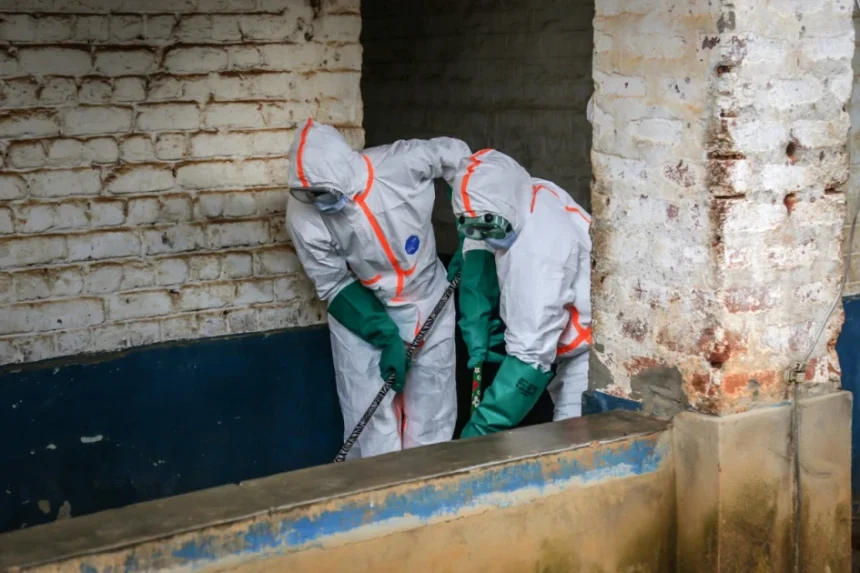
A petition has been filed in Kenya seeking to stop the establishment of a proposed Ebola quarantine facility, with residents and activists raising concerns about public safety, transparency, and possible health risks.
The case has sparked nationwide debate as authorities continue strengthening the country’s preparedness against potential Ebola outbreaks in the region.
Petitioners argue that the proposed facility could expose nearby communities to unnecessary risks if proper consultations and safety measures are not fully addressed.
The government, however, maintains that preparedness remains critical due to ongoing health concerns across parts of Africa.
Concerns Raised Over Proposed Facility
Residents living near the proposed quarantine center reportedly expressed fears about the possible impact of the facility on surrounding communities.
Some community members questioned whether enough public participation was conducted before plans for the quarantine facility were announced.
Others raised concerns regarding emergency response capabilities, waste management systems, and possible accidental exposure to infectious diseases.
Health activists involved in the petition reportedly argued that transparency and public trust are essential when dealing with highly infectious diseases such as Ebola.
The petition seeks court intervention to temporarily halt the project until all concerns are fully addresse
Government Defends Ebola Preparedness Plans
Kenyan health authorities have defended the proposed facility, saying the country must remain prepared for potential outbreaks.
Officials argue that quarantine and isolation centers are important parts of disease prevention and emergency response systems.
The Ministry of Health has continued strengthening surveillance measures following Ebola outbreaks reported in some African countries over recent years.
Authorities say Kenya remains a major regional transport and travel hub, increasing the importance of preparedness against cross-border disease threats.
Health experts have repeatedly warned that early preparedness helps reduce risks during public health emergencies.
Public Fear and Misinformation
The proposal has also triggered fear and misinformation on social media platforms.
Some online users expressed concern that the facility could increase the risk of Ebola spreading into nearby communities.
Medical experts, however, emphasize that properly managed quarantine facilities are designed specifically to prevent infections from spreading.
Specialized isolation centers normally operate under strict safety protocols involving trained personnel, controlled access, and protective equipment.
Health officials have urged the public to avoid panic and rely on verified information regarding the proposed facility.
Ebola Remains a Serious Threat
Ebola is one of the world’s most dangerous viral diseases and has caused deadly outbreaks in several African countries over the years.
The virus spreads through direct contact with infected bodily fluids and can lead to severe illness and death.
Symptoms may include fever, weakness, vomiting, bleeding, and severe dehydration.
Previous outbreaks in countries such as Uganda and the Democratic Republic of Congo raised concerns among neighboring nations including Kenya.
As a regional travel and business hub, Kenya has often increased border surveillance and screening during Ebola outbreaks in nearby countries.
Legal Battle Begins
The petition filed before the courts now places the proposed project under increased public and legal scrutiny.
Petitioners reportedly want authorities to suspend implementation plans until full environmental, health, and public participation procedures are completed.
Legal experts say the case could test how governments balance public health preparedness with community concerns and constitutional rights.
The court is expected to review whether the project followed all required legal and public consultation procedures before approval.
The outcome may also influence how future emergency health facilities are established in Kenya.
Health Experts Call for Calm
Several public health experts have urged Kenyans to remain calm as the legal process continues.
Experts argue that quarantine facilities are internationally recognized tools used to contain dangerous infectious diseases during outbreaks.
They also stress that such facilities are usually designed with strict biosecurity measures to protect surrounding communities.
Medical professionals say fear and misinformation can undermine effective disease preparedness efforts if not addressed properly.
At the same time, experts acknowledge the importance of public engagement and transparency when introducing sensitive health projects.
Debate Spreads Nationwide
The controversy surrounding the proposed Ebola quarantine facility has become a major national discussion topic.
Political leaders, health professionals, civil society groups, and ordinary citizens have all weighed in on the issue.
Some Kenyans support the government’s preparedness plans, arguing that the country must be ready for future health emergencies.
Others believe authorities should first provide clearer communication and reassurance to affected communities.
Social media discussions continue reflecting both support and opposition regarding the project.
Kenya Strengthening Health Preparedness
The government has in recent years invested heavily in disease surveillance, emergency response systems, and public health infrastructure.
Health authorities continue working with international organizations to improve preparedness against infectious diseases including Ebola.
Kenya has previously activated emergency health protocols during regional outbreaks to reduce the risk of imported infections.
Officials insist that preparedness measures remain necessary despite the ongoing public debate surrounding the proposed facility.
For now, attention remains focused on the court proceedings and whether the project will move forward or face further delays.