
A Drastic Rise in Reported Killings
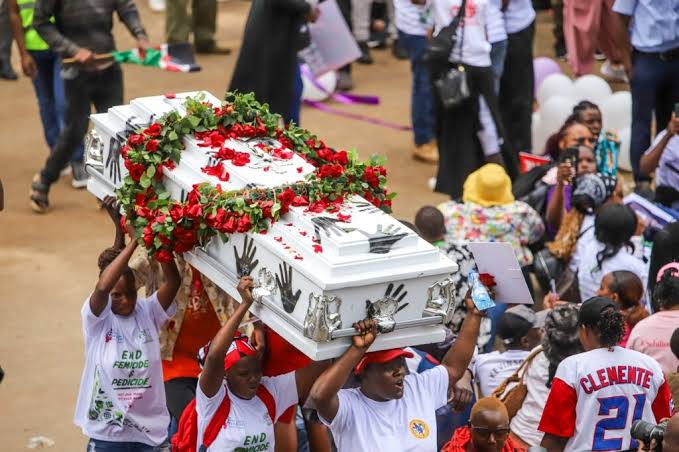
The prompt for this week’s early mobilization stems from recent data that indicates a stark escalation in violence. According to tracking groups like the data firm Odipo Dev and media outlet Africa Uncensored, at least 69 women have been killed in Kenya since the start of January alone.
Jamaica Observer
Protesters blocked a main thoroughfare in the capital using a large billboard that listed the names of more than 500 victims from recent years, highlighting what many describe as a systemic lack of judicial urgency.
Jamaica Observer
Core Grievances Driving the Protest:
Judicial Delays: Activists point out that critical cases often lag in the court system for years, contributing to a culture of impunity where perpetrators face little to no consequence.
Jamaica Observer
Child Disappearances: In addition to intimate partner violence, the marchers raised immediate alarm over a sudden uptick in reported disappearances of school-aged children.
CTV News
Leadership Silence: Many attendees voiced frustration over what they termed a passive response from high-ranking women leaders within the government.
CTV News
“A lot of women have been killed, and no one is doing anything. We can’t see our women leaders acting on it, and it is not right,” shared Ruby Abura, a survivor who joined the march.
CTV News
The Government’s Response and Moving Forward
In response to a strict 40-day ultimatum issued by civil rights groups in late May, law enforcement leadership announced the formation of a specialized police unit dedicated entirely to handling gender-based violence.
CTV News
The directorate states that the unit will bring together specialized criminal intelligence analysts, forensic experts, and homicide investigators to fast-track delayed files. Data from the Federation of Women Lawyers in Kenya (FIDA Kenya) reveals that their regional offices in Nairobi, Mombasa, and Kisumu collectively manage approximately 70 new physical and domestic assault cases every single week.
CTV News
While the creation of a specialized unit marks a structural shift, activist coalitions insist that without an official national crisis declaration—which would unlock emergency public funds and mandatory protection protocols—the baseline danger for women remains unchanged.
Would you like a breakdown of the specific legal changes activists are demanding?
Yes